Handling Postpartum Hashimoto Flare Safely

January 14, 2026

galihjamal04@gmail.com

Handling Postpartum Hashimoto Flare Safely

Handling Postpartum Hashimoto Flare Safely. Pregnancy leads to drastic changes in the female body, such as physical and immunological changes. In women with Hashimoto thyroiditis, an autoimmune disease whereby the immune system attacks the thyroid gland, such changes may aggravate symptoms significantly. Due to the fact that the immune system alters, many women feel better during pregnancy; however, once they give birth, they generally experience a flare, which leaves them exhausted, depressed, and feeling unbalanced.

You must be aware of how to handle these flares safely to be healthy and have a healthy postpartum. In a postnatal period, the immune system slowly restores its pre-pregnancy condition, which may evoke a relapse of the symptoms of Hashimoto. The typical symptoms of a postpartum flare are excessive exhaustion, emotional fluctuations, hair loss, coldness, and brain fog. Such symptoms may complicate everyday activities and the process of taking care of a baby.

It is also important to monitor the levels of thyroid hormones by regularly checking blood testing because the sooner the hormonal imbalances are detected, the sooner in time it is possible to carry out the corresponding correction in the dosage and avoid serious symptoms of hypothyroidism. A symptom journal may also be effective in identifying triggers and may be of great help to your medical provider.

The After baby appointment at Hashimoto

Individuals with Hashimoto’s thyroiditis have persistent inflammation of the thyroid gland. This may lead to hypothyroidism, exhaustion, loss of weight, loss of hair, and mood disorders. When one is pregnant, the immune system modifies in order to protect the unborn baby. Such changes in the immune system have the potential to temporarily prevent the autoimmune activity. Other women state that their thyroid activity improves and so do the symptoms.

However, once the baby is born, the immune system begins returning to the pre-pregnant state. Such a change may result in a postpartum flare that implies that the symptoms might reoccur or increase. Handling Postpartum Hashimoto Flare Safely. Women can experience increased fatigue, cognitive impairment, heart racing, loss of hair, or weight gain. The postpartum flares in women are normal but the intensity and time may differ.

When mothers know this pattern, they are able to anticipate changes and take measures to reduce the symptoms. The safe management of postpartum flares of Hashimoto’s is the result of both medical and practical lifestyle management. Regular check-ups with a health professional are necessary to check the levels of thyroid hormones and provide necessary changes to medication in case the mother is breastfeeding. Routine blood tests will be able to identify changes in thyroid functioning in time and find appropriate measures that will help avoid severe manifestations.

Flash Mobs: How to Recognize the Early Signs of a Flare Following Delivery

Early detection of a Hashimoto flare is extremely significant to treat fast. There are some typical signs that include extreme fatigue, which not relieved by sleep, neck swelling or pain, hair loss, and mood or thinking changes. There are women who can suffer increased sensitivity to cold, irregularities in their digestion, or increased and decreased heart rates. Making a journal of your symptoms may assist you in observing trends and stimuli. This is information that used by doctors when they alter your treatment schemes.

The other thing that should done to monitor thyroid hormone levels. Periodical blood testing can detect the alterations in the functioning of the thyroid early and this helps in prompt intervention to halt the development of serious symptoms of hypothyroidism. Keeping in contact with an endocrinologist quite important after giving birth so that the hormone replacement medication can be adjusted to suit your needs.

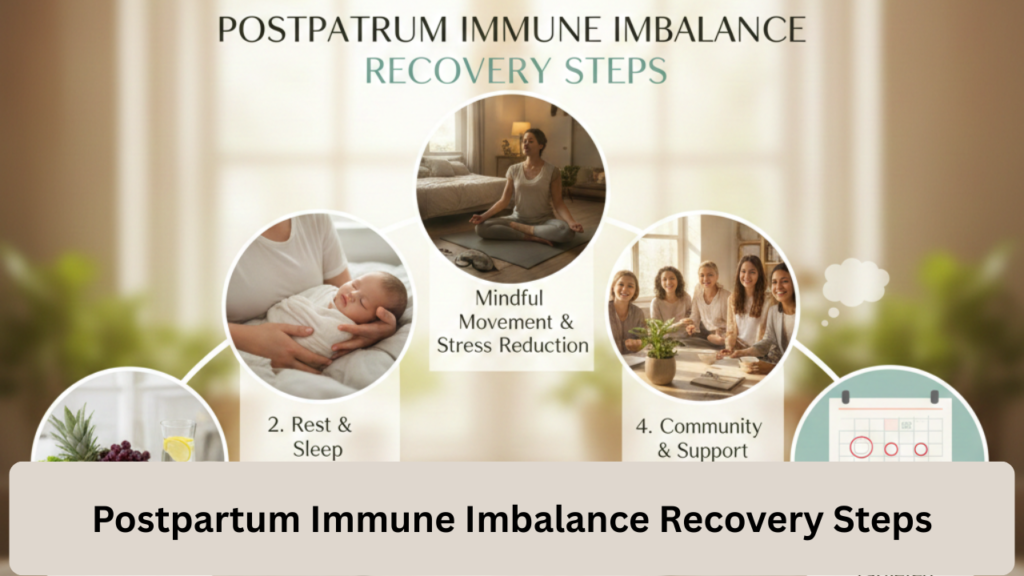
Along with medical surveillance, a well-organized lifestyle pattern can be a major contributor to the management of postpartum flares of Hashimoto. Rest and ensuring that one gets sufficient sleep should be given importance since fatigue may increase symptoms and delay recovery. Handling Postpartum Hashimoto Flare Safely. Light physical exercise, i.e., walking, stretching, or postpartum yoga, can help boost energy, maintain thyroid activity, and curb inflammation without straining the body.

How to manage a Hashimoto’s flare since giving birth

In order to adequately address a Hashimoto flare following labor and delivery, you should have medical counsel and lifestyle modification. First of all, it is highly essential to continue visiting a healthcare provider regularly. A replacement of thyroid through medications such as levothyroxine or other thyroid medications may be necessary in order to normalize thyroid levels. Healthcare professionals can help breastfeeding mothers to select drugs that are safe for them and their infants.

Lifestyle modifications are not less important. Sleep and rest activities that should given the first priority, as they make you not so exhausted and make your thyroid healthier general. Moving around softly, such as in the form of walking or postpartum yoga, known to increase your energy, improve your spirits, and reduce inflammation without causing excessive stress to your body. The methods of stress management, including meditation, deep breathing, or mindfulness, may regulate the functioning of the immune system and reduce the exacerbations.

Diet plays a very crucial role in maintaining a healthy thyroid. Symptoms will addressed by consuming numerous anti-inflammatory foods such as leafy greens, fatty fish, nuts, seeds, and colored fruits. Consumption of processed food, sweets, and inflammatory fats excess should avoided, which will promote stress on the thyroid. Certain women might interested in using supplements such as vitamin D, selenium, or probiotics, but it is always necessary to consult a doctor before administering them to be sure that they are not harmful after childbirth.

Moving into the Future with Confidence

A Hashimoto flare is not an easy thing to have, especially after giving birth and with the proper information and care, you can work through it. Women are able to safely manage postpartum flares by taking note of the initial signs, seeking medical treatment, and making some lifestyle adjustments that can help them. Another best moment to start practicing that would make your thyroid healthy in the long run is postpartum.

These include routine checkups, healthy eating, coping with stress, and self-care. Eventually, with the help of the safe treatment of postpartum flares of Hashimoto, mothers will have an opportunity to be healthy, enjoy life better, and feel more confident and tougher when the first months of motherhood arrive. The knowledge of the interaction of thyroid activity and postpartum changes allows women to control their health process and promote long-term health.
Handling Postpartum Hashimoto Flare Safely

January 14, 2026 Handling Postpartum Hashimoto Flare Safely

Handling Postpartum Hashimoto Flare Safely. Pregnancy leads to drastic changes in the female body, such as physical and immunological changes. In women with Hashimoto thyroiditis, an autoimmune disease whereby the immune system attacks the thyroid gland, such changes may aggravate symptoms significantly. Due to the fact that the immune system alters, many women feel better during pregnancy; however, once they give birth, they generally experience a flare, which leaves them exhausted, depressed, and feeling unbalanced.

You must be aware of how to handle these flares safely to be healthy and have a healthy postpartum. In a postnatal period, the immune system slowly restores its pre-pregnancy condition, which may evoke a relapse of the symptoms of Hashimoto. The typical symptoms of a postpartum flare are excessive exhaustion, emotional fluctuations, hair loss, coldness, and brain fog. Such symptoms may complicate everyday activities and the process of taking care of a baby.

It is also important to monitor the levels of thyroid hormones by regularly checking blood testing because the sooner the hormonal imbalances are detected, the sooner in time it is possible to carry out the corresponding correction in the dosage and avoid serious symptoms of hypothyroidism. A symptom journal may also be effective in identifying triggers and may be of great help to your medical provider.

The After baby appointment at Hashimoto

Individuals with Hashimoto’s thyroiditis have persistent inflammation of the thyroid gland. This may lead to hypothyroidism, exhaustion, loss of weight, loss of hair, and mood disorders. When one is pregnant, the immune system modifies in order to protect the unborn baby. Such changes in the immune system have the potential to temporarily prevent the autoimmune activity. Other women state that their thyroid activity improves and so do the symptoms.

However, once the baby is born, the immune system begins returning to the pre-pregnant state. Such a change may result in a postpartum flare that implies that the symptoms might reoccur or increase. Handling Postpartum Hashimoto Flare Safely. Women can experience increased fatigue, cognitive impairment, heart racing, loss of hair, or weight gain. The postpartum flares in women are normal but the intensity and time may differ.

When mothers know this pattern, they are able to anticipate changes and take measures to reduce the symptoms. The safe management of postpartum flares of Hashimoto’s is the result of both medical and practical lifestyle management. Regular check-ups with a health professional are necessary to check the levels of thyroid hormones and provide necessary changes to medication in case the mother is breastfeeding. Routine blood tests will be able to identify changes in thyroid functioning in time and find appropriate measures that will help avoid severe manifestations.

Flash Mobs: How to Recognize the Early Signs of a Flare Following Delivery

Early detection of a Hashimoto flare is extremely significant to treat fast. There are some typical signs that include extreme fatigue, which not relieved by sleep, neck swelling or pain, hair loss, and mood or thinking changes. There are women who can suffer increased sensitivity to cold, irregularities in their digestion, or increased and decreased heart rates. Making a journal of your symptoms may assist you in observing trends and stimuli. This is information that used by doctors when they alter your treatment schemes.

The other thing that should done to monitor thyroid hormone levels. Periodical blood testing can detect the alterations in the functioning of the thyroid early and this helps in prompt intervention to halt the development of serious symptoms of hypothyroidism. Keeping in contact with an endocrinologist quite important after giving birth so that the hormone replacement medication can be adjusted to suit your needs.

Along with medical surveillance, a well-organized lifestyle pattern can be a major contributor to the management of postpartum flares of Hashimoto. Rest and ensuring that one gets sufficient sleep should be given importance since fatigue may increase symptoms and delay recovery. Handling Postpartum Hashimoto Flare Safely. Light physical exercise, i.e., walking, stretching, or postpartum yoga, can help boost energy, maintain thyroid activity, and curb inflammation without straining the body.

How to manage a Hashimoto’s flare since giving birth

In order to adequately address a Hashimoto flare following labor and delivery, you should have medical counsel and lifestyle modification. First of all, it is highly essential to continue visiting a healthcare provider regularly. A replacement of thyroid through medications such as levothyroxine or other thyroid medications may be necessary in order to normalize thyroid levels. Healthcare professionals can help breastfeeding mothers to select drugs that are safe for them and their infants.

Lifestyle modifications are not less important. Sleep and rest activities that should given the first priority, as they make you not so exhausted and make your thyroid healthier general. Moving around softly, such as in the form of walking or postpartum yoga, known to increase your energy, improve your spirits, and reduce inflammation without causing excessive stress to your body. The methods of stress management, including meditation, deep breathing, or mindfulness, may regulate the functioning of the immune system and reduce the exacerbations.

Diet plays a very crucial role in maintaining a healthy thyroid. Symptoms will addressed by consuming numerous anti-inflammatory foods such as leafy greens, fatty fish, nuts, seeds, and colored fruits. Consumption of processed food, sweets, and inflammatory fats excess should avoided, which will promote stress on the thyroid. Certain women might interested in using supplements such as vitamin D, selenium, or probiotics, but it is always necessary to consult a doctor before administering them to be sure that they are not harmful after childbirth.

Moving into the Future with Confidence

A Hashimoto flare is not an easy thing to have, especially after giving birth and with the proper information and care, you can work through it. Women are able to safely manage postpartum flares by taking note of the initial signs, seeking medical treatment, and making some lifestyle adjustments that can help them. Another best moment to start practicing that would make your thyroid healthy in the long run is postpartum.

These include routine checkups, healthy eating, coping with stress, and self-care. Eventually, with the help of the safe treatment of postpartum flares of Hashimoto, mothers will have an opportunity to be healthy, enjoy life better, and feel more confident and tougher when the first months of motherhood arrive. The knowledge of the interaction of thyroid activity and postpartum changes allows women to control their health process and promote long-term health.
Related posts

Determined woman throws darts at target for concept of business success and achieving set goals

Leave a Comment