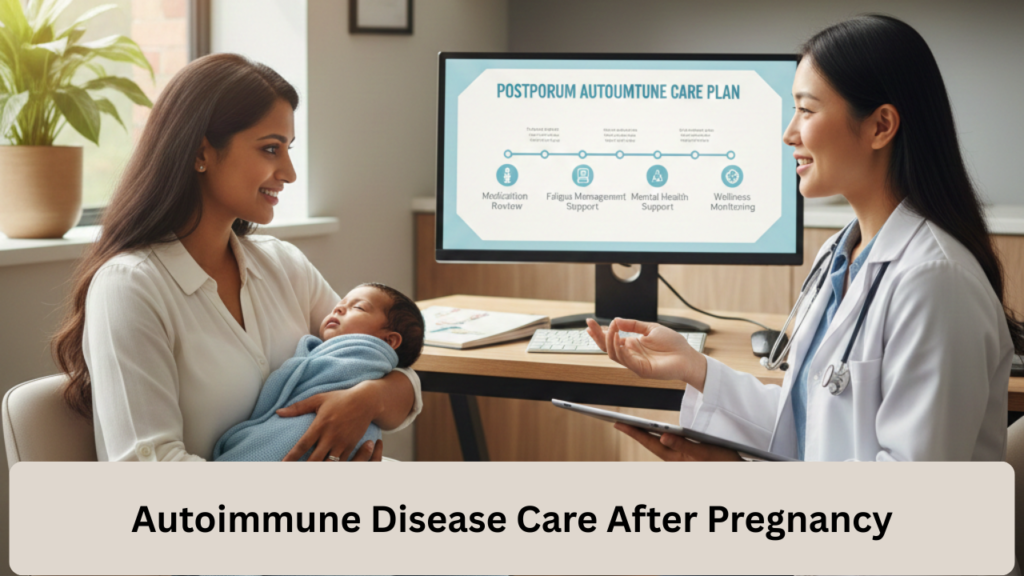
Autoimmune Disease Care After Pregnancy. During pregnancy, the body is undergoing a metamorphosis that is full of ups and downs as well as intricate physiological alterations. Pregnancy may be a challenge to women living with autoimmune diseases. Autoimmune diseases are caused by the immune system attacking the body unintended manner, causing diseases such as rheumatoid arthritis, lupus, multiple sclerosis, and thyroid diseases.
The treatment of these conditions throughout pregnancy and postpartum needs to approached with patience because the hormonal changes and the alterations of the immune system may impact the activity of the diseases. Even though healthcare has led to better results regarding women with autoimmune diseases, the postpartum stage can be a critical time in managing the diseases.
Under the effect of pregnancy, the immune system recalibrated, which may lead to the occurrence of flares or temporary improvement of some conditions. The issue of autoimmune diseases and their interplay with pregnancy is an important phenomenon that both patients and health professionals should comprehend.
Autoimmune Conditions Hyper-Improve during Pregnancy?
One would ask the question whether autoimmune conditions cured following birth. According to some studies, there could be a situation where some autoimmune diseases have a temporary remission during pregnancy because of hormonal and immune modifications. An example is that, in some cases, when women with rheumatoid arthritis are pregnant, they have less inflammation of their joints. These are, however, not permanent. Flare-ups after delivery are the norm because the immune system is regaining its pre-pregnancy level.
It should mentioned that the reaction of autoimmune diseases during the postpartum period very different people and diseases. Indicatively, lupus can be active or even exacerbated during the postpartum period, whereas multiple sclerosis can improve temporarily during pregnancy only to become severe afterwards. The most important aspects of treatment of the autoimmune conditions through this age include monitoring of the symptoms, close collaboration with a healthcare provider, and modification of the treatment plans.
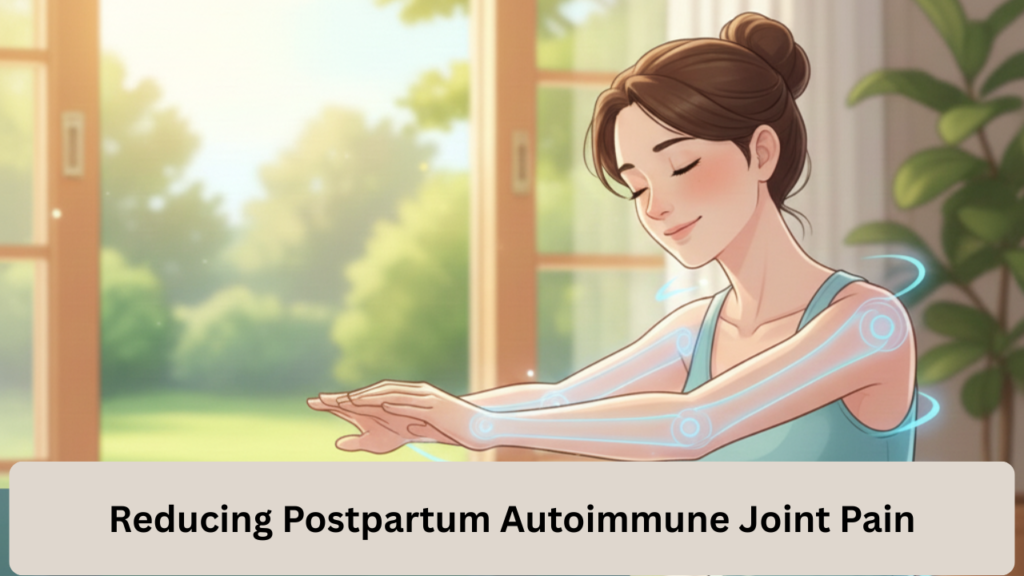
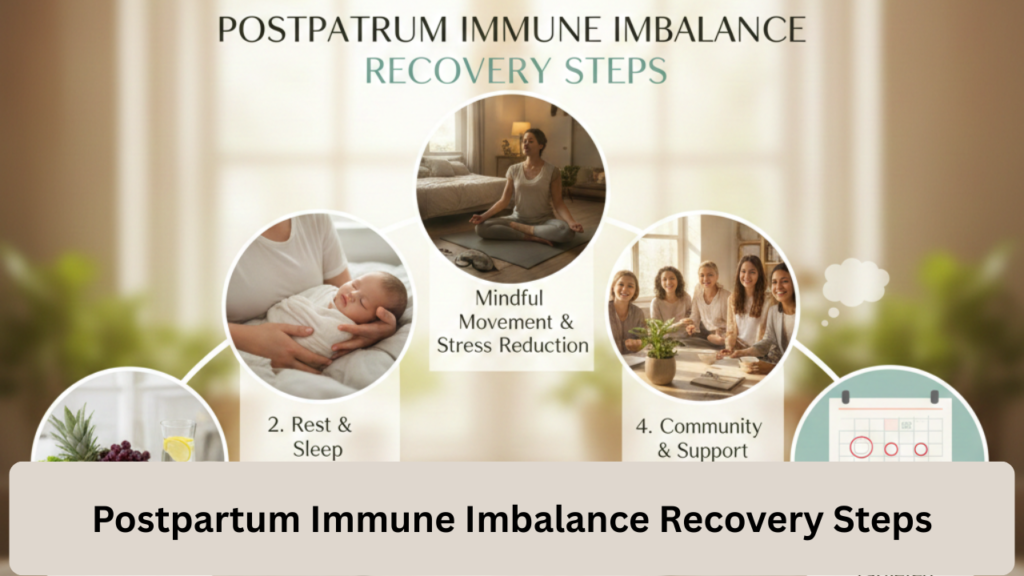
Moreover, lifestyle factors are important towards the management of autoimmune diseases following pregnancy. Enough sleep, proper nutrition, avoiding stress, and less aggressive physical exercise can contribute to the strengthening of the immune system and decrease the chance of disease exacerbation. Knowledge-based interventions, e.g., yoga, meditation, or breathing exercises, can also be useful, as they result in better overall well-being and resistance to the postpartum phase.
Does Pregnancy Affect the progression of autoimmune disease?
The fact that pregnancy can potentially cure autoimmune disorders attractive concept that should taken into account. Pregnancy is not necessarily a curative: it may serve as an immunomodulator. When one pregnant, some of the immune responses inhibited by the body automatically so as not to harm the growing fetus.
Autoimmune Disease Care After Pregnancy. Such an immunosuppressive environment is capable of lowering the symptoms of some autoimmune diseases, but it does not eliminate the primary disease.
In certain patients, the activity of the disease also reduced the course of pregnancy, and temporary remission is experienced. This does not, however, imply curing the autoimmune disorder. After termination of pregnancy, the activity of immune activity usually goes back to the pre-pregnancy levels and there are cases where this leads to flares. Close attention to these changes is also important in postpartum care to exclude the complications, to modify the medications, and to observe them.
What Is the Time to Control Autoimmune Disease during the postpartum period?
The treatment of autoimmune disorders in the postpartum period may be slow. Recovery periods vary based on various factors, which encompass the nature of the disease, its severity, and the health status of the patient, as well as the treatments applied. The improvement some women might seen in a few weeks, whereas some women can take months or even years to reach stable disease control.
Postpartum treatment usually associated with medication changes, lifestyle changes, and close observation of the exacerbation of the disease. Medications against inflammation, immunosuppressive therapy, and biologic agents customized to the postpartum period, and effectiveness versus safety balanced, particularly in the case of breastfeeding. It is necessary to consult rheumatologists, immunologists, or other experts regularly to monitor the activity of the disease and change the treatment regimen.
After childbirth, lifestyle factors are also important in the management of the autoimmune diseases. The immune system regulation and minimizing the chances of a flare facilitated by enough rest, nutritional balance, stress management, and light exercise. The plan of every patient is unique and thus individualized care plans are essential in managing disease in the long term.
Moving into the Future: What to do to live well after pregnancy
Multidisciplinary and proactive approach is key to successful management of autoimmune disease after pregnancy. Although pregnancy may suppress the disease activity, it is not a cure. The care of postpartum aimed at the stabilization of the condition, the prevention of exacerbation, and the promotion of health.
With proper follow-up, medication management, and lifestyle support, most women will have a better life despite disease flares. Knowledge will enable women to be more confident in coping with their autoimmune disorders because of access to specialized care. A strong family support, mental health services, and uniqueness of treatment are essential factors of recovery.
Despite the continuous irrelevance of autoimmune diseases, it is also possible to consider the postpartum period as a moment when it is possible to start living a healthier lifestyle, develop resilience, and become a better person overall. Women can manage the challenges of postpartum life with autoimmune disease, taking into account self-care, keeping themselves informed, and upholding healthy communication with medical professionals.