Postpartum Inflammation Management Guide

January 16, 2026

galihjamal04@gmail.com

Postpartum Inflammation Management Guide

Postpartum Inflammation Management Guide. To a new mom, the post-delivery period is a period of mammoth changes in their bodies and their minds. The amount of attention paid by people to the ways of taking good care of a newborn is big, yet the health of the mother is as important as well. One of the most frequent issues at this period is the control of inflammation. It may occur due to hormonal, immune system, stress, or underlying condition alteration.

The normal response of the body to the injury or invaders called inflammation, but when long-lasting or too intense, it may lead to such issues as delayed recovery, pain in the joints, fatigue, or the exacerbation of autoimmune diseases. So that it becomes possible to recuperate, increase the level of energy, and ensure long-term well-being, it is worth knowing how to address postpartum inflammation.

The management of postpartum inflammation starts by being aware of the factors that cause the inflammation. Hormonal changes in the postpartum period may trigger the excessive reaction of immunity; physical stress due to childbirth, sleeplessness, and emotional disturbances may enhance the inflammation. Autoimmune diseases or metabolic disorders that are already present can also be a predisposing factor.

What is Postpartum Inflammation?

Inflammation is one of the normal parts of the body’s healing process after giving birth. The body closes and the immune system works after the birth regardless of it carried through the vagina or cesarean section. The immune response prevents the occurrence of infection and repair of tissues. However, excessive or prolonged inflammation may complicate the recovery process and worsen such problems as rheumatoid arthritis, thyroid, or other autoimmune diseases.

Alterations in hormones form a large part of postpartum inflammation. During pregnancy, the estrogen and progesterone levels of a woman increase. This causes the body to be less prone to becoming ill, which contributes to the growth of the fetus. The levels of these hormones decrease rapidly following the birth; this could lead to inflammation. Other typical symptoms of giving birth are stress, sleep deprivation, and insufficient intake of nutrients, as these may exacerbate inflammation.

In addition, there are considerable alterations in the immune system of the body that take place after childbirth. The natural process of the immune response during pregnancy involves the suppression of the immune system to safeguard the developing fetus and may sometimes conceal signs of long-term inflammation or autoimmune diseases. The immune system is re-awakened after childbirth, which may provoke flare-ups or hypersensitivity of the immune system to inflammation.

Significant Postpartum Things that create inflammation

Some factors that may have influence on the extent and duration of postpartum inflammation, including after child delivery, are numerous. Childbirth causes a significant amount of physical trauma, either because of ripped tissue or a surgical procedure. The immune system may also work more intensely in case of infections, whether systemic or localized. The risk of excessive inflammatory reactions increased pre-existing medical issues that include autoimmune illnesses, obesity, or metabolic syndrome.

Lifestyle influences much on postpartum inflammation. Lack of sleep, excessive stress, and poor diet may all contribute to making the immune system become maladjusted. Moreover, lack of mobility and remaining immobile can delay recovery and increase stiffness, edema, and pain. Early identification of such factors by new moms can help them put in efforts to reduce inflammation and enhance their overall health.

Diets that can be used to reduce inflammation

It is highly necessary to control inflammation at the time of giving birth with the help of nutrition. The immune system enhanced by consuming foods that combat inflammatory agents, such as leafy greens, berries, fatty fish with a lot of omega-3s, turmeric, and ginger. Conversely, excessive consumption of sugar, processed foods, refined carbohydrates, and trans fats can aggravate inflammation. Consumption of food rich in antioxidants, fiber, and healthy fats will aid in healing and general improvements of the body.

It is also important to keep oneself hydrated. Water is also important to make your body clear of toxins and keep your cells operating correctly, which can help eliminate inflammation. Drinking enough fluids is also important to the mothers who are breastfeeding, as it provides enough milk. After childbirth, a licensed dietician can assist you in creating a unique anti-inflammatory food plan that will satisfy your needs.

Besides hydration, the use of anti-inflammatory supplements can help in the postpartum healing. Vitamin D and omega-3 fatty acids (contained fish oil or flaxseed) have demonstrated to assist with the regulation of the immune system, as well as decrease inflammation. Nevertheless, it important that prior to taking any supplements, a healthcare provider should consulted, particularly when breastfeeding, to make sure that neither the mother nor the baby is exposed to harm.

Acceptance of Holistic Health following Birth

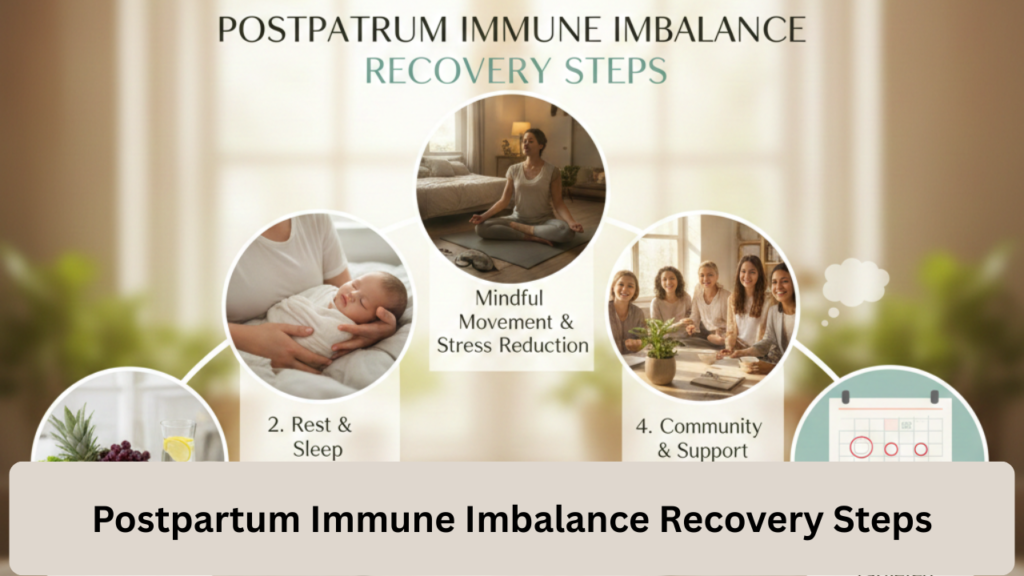
Postpartum inflammation must be taken care of both physically and psychologically. This critical period overcome by a combination of food modifications, lifestyle modifications, medical consultation, and emotional assistance to new moms. It is not only possible to accelerate healing by understanding how the body responds to inflammation and taking measures to manage it but also provides the foundation of healthy living over time.

The prevention of postpartum inflammation is a health investment. It allows mothers to begin their lives with their new babies in a healthier and more energetic manner and reduces the chances of developing long-term issues. The first step of self-care, being educated, and maintaining open communication with medical professionals will provide women with the means to heal successfully and accept holistic postpartum care.
Postpartum Inflammation Management Guide

January 16, 2026 Postpartum Inflammation Management Guide

Postpartum Inflammation Management Guide. To a new mom, the post-delivery period is a period of mammoth changes in their bodies and their minds. The amount of attention paid by people to the ways of taking good care of a newborn is big, yet the health of the mother is as important as well. One of the most frequent issues at this period is the control of inflammation. It may occur due to hormonal, immune system, stress, or underlying condition alteration.

The normal response of the body to the injury or invaders called inflammation, but when long-lasting or too intense, it may lead to such issues as delayed recovery, pain in the joints, fatigue, or the exacerbation of autoimmune diseases. So that it becomes possible to recuperate, increase the level of energy, and ensure long-term well-being, it is worth knowing how to address postpartum inflammation.

The management of postpartum inflammation starts by being aware of the factors that cause the inflammation. Hormonal changes in the postpartum period may trigger the excessive reaction of immunity; physical stress due to childbirth, sleeplessness, and emotional disturbances may enhance the inflammation. Autoimmune diseases or metabolic disorders that are already present can also be a predisposing factor.

What is Postpartum Inflammation?

Inflammation is one of the normal parts of the body’s healing process after giving birth. The body closes and the immune system works after the birth regardless of it carried through the vagina or cesarean section. The immune response prevents the occurrence of infection and repair of tissues. However, excessive or prolonged inflammation may complicate the recovery process and worsen such problems as rheumatoid arthritis, thyroid, or other autoimmune diseases.

Alterations in hormones form a large part of postpartum inflammation. During pregnancy, the estrogen and progesterone levels of a woman increase. This causes the body to be less prone to becoming ill, which contributes to the growth of the fetus. The levels of these hormones decrease rapidly following the birth; this could lead to inflammation. Other typical symptoms of giving birth are stress, sleep deprivation, and insufficient intake of nutrients, as these may exacerbate inflammation.

In addition, there are considerable alterations in the immune system of the body that take place after childbirth. The natural process of the immune response during pregnancy involves the suppression of the immune system to safeguard the developing fetus and may sometimes conceal signs of long-term inflammation or autoimmune diseases. The immune system is re-awakened after childbirth, which may provoke flare-ups or hypersensitivity of the immune system to inflammation.

Significant Postpartum Things that create inflammation

Some factors that may have influence on the extent and duration of postpartum inflammation, including after child delivery, are numerous. Childbirth causes a significant amount of physical trauma, either because of ripped tissue or a surgical procedure. The immune system may also work more intensely in case of infections, whether systemic or localized. The risk of excessive inflammatory reactions increased pre-existing medical issues that include autoimmune illnesses, obesity, or metabolic syndrome.

Lifestyle influences much on postpartum inflammation. Lack of sleep, excessive stress, and poor diet may all contribute to making the immune system become maladjusted. Moreover, lack of mobility and remaining immobile can delay recovery and increase stiffness, edema, and pain. Early identification of such factors by new moms can help them put in efforts to reduce inflammation and enhance their overall health.

Diets that can be used to reduce inflammation

It is highly necessary to control inflammation at the time of giving birth with the help of nutrition. The immune system enhanced by consuming foods that combat inflammatory agents, such as leafy greens, berries, fatty fish with a lot of omega-3s, turmeric, and ginger. Conversely, excessive consumption of sugar, processed foods, refined carbohydrates, and trans fats can aggravate inflammation. Consumption of food rich in antioxidants, fiber, and healthy fats will aid in healing and general improvements of the body.

It is also important to keep oneself hydrated. Water is also important to make your body clear of toxins and keep your cells operating correctly, which can help eliminate inflammation. Drinking enough fluids is also important to the mothers who are breastfeeding, as it provides enough milk. After childbirth, a licensed dietician can assist you in creating a unique anti-inflammatory food plan that will satisfy your needs.

Besides hydration, the use of anti-inflammatory supplements can help in the postpartum healing. Vitamin D and omega-3 fatty acids (contained fish oil or flaxseed) have demonstrated to assist with the regulation of the immune system, as well as decrease inflammation. Nevertheless, it important that prior to taking any supplements, a healthcare provider should consulted, particularly when breastfeeding, to make sure that neither the mother nor the baby is exposed to harm.

Acceptance of Holistic Health following Birth

Postpartum inflammation must be taken care of both physically and psychologically. This critical period overcome by a combination of food modifications, lifestyle modifications, medical consultation, and emotional assistance to new moms. It is not only possible to accelerate healing by understanding how the body responds to inflammation and taking measures to manage it but also provides the foundation of healthy living over time.

The prevention of postpartum inflammation is a health investment. It allows mothers to begin their lives with their new babies in a healthier and more energetic manner and reduces the chances of developing long-term issues. The first step of self-care, being educated, and maintaining open communication with medical professionals will provide women with the means to heal successfully and accept holistic postpartum care.
Related posts

Determined woman throws darts at target for concept of business success and achieving set goals

Leave a Comment