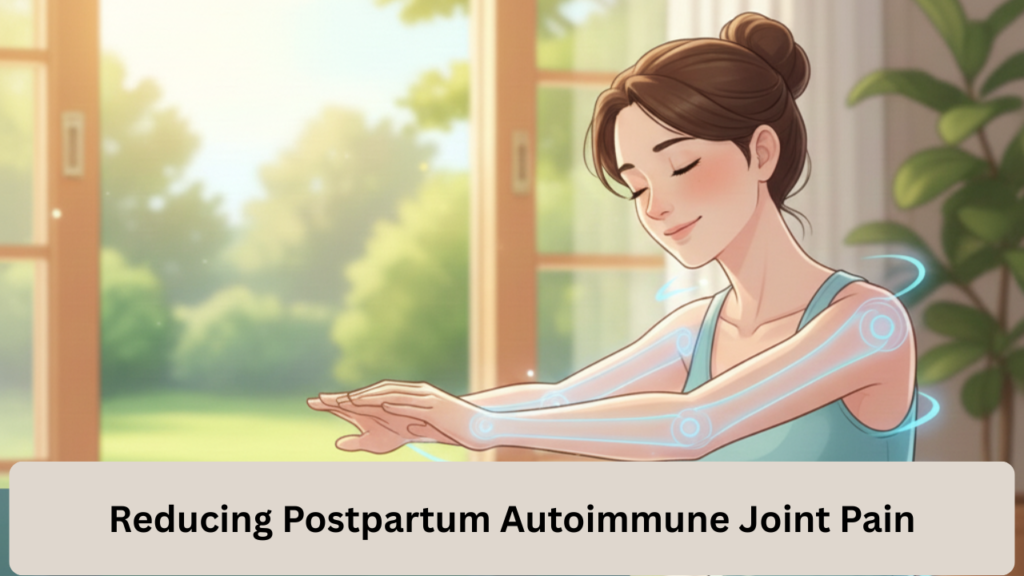
Reducing Postpartum Autoimmune Joint Pain

January 18, 2026

galihjamal04@gmail.com

Reducing Postpartum Autoimmune Joint Pain

Reducing Postpartum Autoimmune Joint Pain. The postpartum period is a change of direction for most women. Although the birth of a new life is a happy one, it is likely to face some unforeseen physical difficulties. Autoimmune joint pain is one of these problems, which are not always noticed. Various women find it difficult to move their joints and have stiffness or swelling in joints due to childbirth, which greatly impairs their day-to-day activities and general life quality.

To manage the autoimmune joint pains associated with postpartum, it is important to understand the causes, reliever mechanisms, and nutritional factors. Hormonal and immune system alterations following childbirth are one of the main causal factors of postpartum autoimmune joint pain. When a woman pregnant, her immune system becomes weak in the natural defense of the growing fetus, but postpartum, it may reversed, and in some cases, it may be activated.

This may cause inflammation of the joints, particularly in women with a history of autoimmune diseases like rheumatoid arthritis or lupus. Besides it, the physical activities during pregnancy and looking after a newborn, such as lifting, bending, and standing long hours, may exert additional load on the joints, exacerbating pain. By identifying such triggers early, women will be in a position to engage in proactive measures that will safeguard their joints.

Interventions to alleviate Autoimmune Joint Discomfort

Autoimmune joint pain is the result of the misdirected action of the immune system that causes it to attack the body tissues, one of which includes joints. Female postpartum patients may experience a worsening of conditions such as rheumatoid arthritis or lupus, the onset of new joint problems, or the development of entirely new conditions due to hormonal changes and alterations in the immune system. There are many ways of alleviating this pain, fortunately:

  • Medication and Medical Support: Consult a healthcare provider about having anti-inflammatory medication or disease-modifying antirheumatic drugs (DMARDs) in case an individual diagnosed with an autoimmune condition. There are medications that are safe when breastfeeding, though professional advice is very important.
  • Physical Therapy and Light Exercise: Light exercises like swimming, walking, or yoga will enhance joint movement and decrease stiffness. Physical therapists are able to develop specific postpartum exercises that do not overwork delicate parts, but at the same time, they address the health of the joints.
  • Hot and Cold Therapy: Hot used to relieve stiffness and a cold compress used to decrease swelling. Switching the heat and cold therapy can offer the best relief to inflamed joints.
  • Stress management: Stress has the capacity to increase autoimmune responses. Meditations, deep breaths, and mindfulness methods that may used to control immune reactions and enhance general well-being.

Including these measures daily practices, the postpartum women will empowered to cope with the autoimmune joint pain as well as lead a healthier life.

Proper Ways To reduce Joint pains post childbirth

Autoimmune conditions not the only ones that associated with joint pains after giving birth. Physical strain, hormonal changes, and posture changes during pregnancy and after giving birth may also cause it. A few beneficial ways to relieve this kind of joint pain would be:

  • Posture and Ergonomics: These consider the mechanics of the body whilst lifting, breastfeeding, or conducting daily activities. Using supportive pillows and maintaining good posture can greatly minimize joint strain.
  • Supportive Devices: The supportive devices may include braces, splints, and compression sleeves to support the joint and aid the reduction of inflammation during the recovery.
  • Balance between Rest and Activity: Do not spend too much time in bed, since it may increase stiffness, but you also must not overdo it. Joints kept flexible through short and frequent movement breaks.
  • Hydration and Anti-Inflammatory Diet: Joint inflammation managed through intake of plenty of water and foods high omega-3 fatty acids, antioxidants, and anti-inflammatory nutrients that consumed naturally.

These habits may incorporated to speed up the postpartum recovery and decrease the role of joint pain in everyday life.

  • Ethical: Determination of Vitamin Deficiencies that are contributory to Postpartum Joint Pain.
  • The role of the nutritional deficiency is frequently significant in postpartum joint pain. The nutrient needs of women after giving birth to a child become higher, and the deficiency of nutrients may worsen inflammation and pain. There are a number of vitamins that are especially useful to the health of joints:
  • Vitamin D is necessary in the absorption of calcium and the strength of bones. Vitamin D deficiency associated with joint pains and the tendency to suffer autoimmune flare-ups. Supplementation, fortified foods, and sun exposure used to ensure that the levels adequate.
  • Vitamin B12: Vitamin B12 deficiency can be a cause of fatigue, nerve pains, and aches in the joints. Examples of the sources are dairy, eggs, fortified vegetarian milks, and supplements when required.
  • Vitamin K: The vitamin K plays a significant role in the metabolism of the bones and in the stability of the joints, when the level of vitamin K becomes low, it raises the chances of osteoporosis and associated joint pains. Good sources are leafy greens, broccoli, and fermented foods.
  • Magnesium and Calcium: These are minerals, which assist in the working of the muscles and joints. Low dosages are capable of increasing postpartum joint pains. Adding dairy, leafy vegetables, nuts, and seeds may be a good idea.

Following up on nutrition with a physician and taking supplements where necessary can go a long way to guaranteeing the quality of joints during the postnatal phase and overall recovery.

A Head Start of Comfort and Mobility

Joint postpartum autoimmune pain is not something that cannot done because it managed with the assistance of medical consultation, lifestyle change, and nutrition. By controlling autoimmune triggers, keeping joints healthy by combining diet and exercise, and making a conscious lifestyle choice, new mothers can be capable of rebuilding their convenience, movement, and self-esteem.

Education and active treatment are essential the recognition of the pain in the joints and the specific measures aimed at its alleviation can improve the postpartum state greatly. After all, the process of recovery is a personal process for all women, and even minor, regular steps related to the health of the joints can significantly change everyday life. Upon proper support and measures, postpartum women will be able to overcome these joint aches and accept this new phase with strong determination.
Reducing Postpartum Autoimmune Joint Pain

January 18, 2026 Reducing Postpartum Autoimmune Joint Pain

Reducing Postpartum Autoimmune Joint Pain. The postpartum period is a change of direction for most women. Although the birth of a new life is a happy one, it is likely to face some unforeseen physical difficulties. Autoimmune joint pain is one of these problems, which are not always noticed. Various women find it difficult to move their joints and have stiffness or swelling in joints due to childbirth, which greatly impairs their day-to-day activities and general life quality.

To manage the autoimmune joint pains associated with postpartum, it is important to understand the causes, reliever mechanisms, and nutritional factors. Hormonal and immune system alterations following childbirth are one of the main causal factors of postpartum autoimmune joint pain. When a woman pregnant, her immune system becomes weak in the natural defense of the growing fetus, but postpartum, it may reversed, and in some cases, it may be activated.

This may cause inflammation of the joints, particularly in women with a history of autoimmune diseases like rheumatoid arthritis or lupus. Besides it, the physical activities during pregnancy and looking after a newborn, such as lifting, bending, and standing long hours, may exert additional load on the joints, exacerbating pain. By identifying such triggers early, women will be in a position to engage in proactive measures that will safeguard their joints.

Interventions to alleviate Autoimmune Joint Discomfort

Autoimmune joint pain is the result of the misdirected action of the immune system that causes it to attack the body tissues, one of which includes joints. Female postpartum patients may experience a worsening of conditions such as rheumatoid arthritis or lupus, the onset of new joint problems, or the development of entirely new conditions due to hormonal changes and alterations in the immune system. There are many ways of alleviating this pain, fortunately:

  • Medication and Medical Support: Consult a healthcare provider about having anti-inflammatory medication or disease-modifying antirheumatic drugs (DMARDs) in case an individual diagnosed with an autoimmune condition. There are medications that are safe when breastfeeding, though professional advice is very important.
  • Physical Therapy and Light Exercise: Light exercises like swimming, walking, or yoga will enhance joint movement and decrease stiffness. Physical therapists are able to develop specific postpartum exercises that do not overwork delicate parts, but at the same time, they address the health of the joints.
  • Hot and Cold Therapy: Hot used to relieve stiffness and a cold compress used to decrease swelling. Switching the heat and cold therapy can offer the best relief to inflamed joints.
  • Stress management: Stress has the capacity to increase autoimmune responses. Meditations, deep breaths, and mindfulness methods that may used to control immune reactions and enhance general well-being.

Including these measures daily practices, the postpartum women will empowered to cope with the autoimmune joint pain as well as lead a healthier life.

Proper Ways To reduce Joint pains post childbirth

Autoimmune conditions not the only ones that associated with joint pains after giving birth. Physical strain, hormonal changes, and posture changes during pregnancy and after giving birth may also cause it. A few beneficial ways to relieve this kind of joint pain would be:

  • Posture and Ergonomics: These consider the mechanics of the body whilst lifting, breastfeeding, or conducting daily activities. Using supportive pillows and maintaining good posture can greatly minimize joint strain.
  • Supportive Devices: The supportive devices may include braces, splints, and compression sleeves to support the joint and aid the reduction of inflammation during the recovery.
  • Balance between Rest and Activity: Do not spend too much time in bed, since it may increase stiffness, but you also must not overdo it. Joints kept flexible through short and frequent movement breaks.
  • Hydration and Anti-Inflammatory Diet: Joint inflammation managed through intake of plenty of water and foods high omega-3 fatty acids, antioxidants, and anti-inflammatory nutrients that consumed naturally.

These habits may incorporated to speed up the postpartum recovery and decrease the role of joint pain in everyday life.

  • Ethical: Determination of Vitamin Deficiencies that are contributory to Postpartum Joint Pain.
  • The role of the nutritional deficiency is frequently significant in postpartum joint pain. The nutrient needs of women after giving birth to a child become higher, and the deficiency of nutrients may worsen inflammation and pain. There are a number of vitamins that are especially useful to the health of joints:
  • Vitamin D is necessary in the absorption of calcium and the strength of bones. Vitamin D deficiency associated with joint pains and the tendency to suffer autoimmune flare-ups. Supplementation, fortified foods, and sun exposure used to ensure that the levels adequate.
  • Vitamin B12: Vitamin B12 deficiency can be a cause of fatigue, nerve pains, and aches in the joints. Examples of the sources are dairy, eggs, fortified vegetarian milks, and supplements when required.
  • Vitamin K: The vitamin K plays a significant role in the metabolism of the bones and in the stability of the joints, when the level of vitamin K becomes low, it raises the chances of osteoporosis and associated joint pains. Good sources are leafy greens, broccoli, and fermented foods.
  • Magnesium and Calcium: These are minerals, which assist in the working of the muscles and joints. Low dosages are capable of increasing postpartum joint pains. Adding dairy, leafy vegetables, nuts, and seeds may be a good idea.

Following up on nutrition with a physician and taking supplements where necessary can go a long way to guaranteeing the quality of joints during the postnatal phase and overall recovery.

A Head Start of Comfort and Mobility

Joint postpartum autoimmune pain is not something that cannot done because it managed with the assistance of medical consultation, lifestyle change, and nutrition. By controlling autoimmune triggers, keeping joints healthy by combining diet and exercise, and making a conscious lifestyle choice, new mothers can be capable of rebuilding their convenience, movement, and self-esteem.

Education and active treatment are essential the recognition of the pain in the joints and the specific measures aimed at its alleviation can improve the postpartum state greatly. After all, the process of recovery is a personal process for all women, and even minor, regular steps related to the health of the joints can significantly change everyday life. Upon proper support and measures, postpartum women will be able to overcome these joint aches and accept this new phase with strong determination.
Related posts

Determined woman throws darts at target for concept of business success and achieving set goals

Leave a Comment