Identifying Postpartum Lupus Symptoms Early

January 19, 2026

galihjamal04@gmail.com

Identifying Postpartum Lupus Symptoms Early

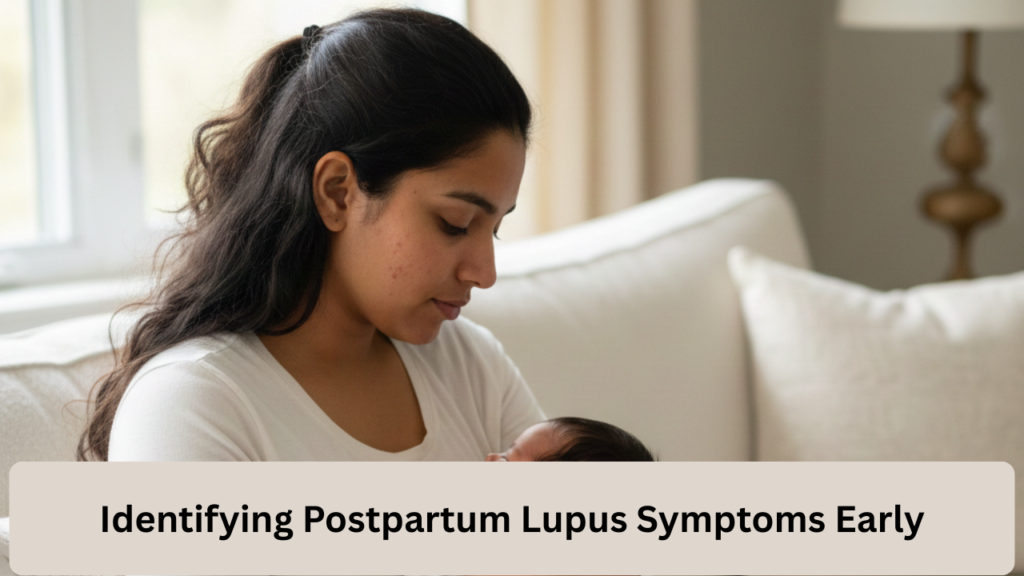
Identifying Postpartum Lupus Symptoms Early. The postpartum period is also a period of transition, which can be very challenging to the new mothers. The introduction of a new baby into the household may be due to excitement and joy and also lead to some of the health issues becoming more severe, such as lupus and other autoimmune diseases. Lupus is a chronic autoimmune disease where the immune system attacks its own body tissues, leading to inflammation and damage of joints and organs.

In women who have just delivered a baby, early detection of lupus is very critical. The reason is the fact that the timely diagnosis and treatment can prevent the deterioration of problems and enhance the results of long-term health. The symptom of postpartum lupus is sometimes very hard to differentiate from normal postpartum changes; hence, the need to create awareness is even greater.

These typical symptoms to be observed are unremitting fatigue, pain or swelling in the joints that is not related to any known cause, skin rashes, low-grade fevers, and pubic hair loss. Although some mild tiredness and body aches may be expected after the child is born, lupus-related symptoms are more severe, long-lasting, or uncharacteristic. Earlier identification of such symptoms will enable new mothers to consult a doctor in time, and it may greatly decrease the chances of serious complications, such as kidney damage, heart problems, and permanent joint injuries.

Education concerning lupus and postpartum risks

Lupus, which is commonly referred to as systemic lupus erythematosus (SLE), is primarily a disease of women with the capacity to have children. Lupus women might experience more difficulty during pregnancy and after giving birth due to the fact that hormonal changes and immune system and physical stress may aggravate the disease. Flare of lupus following childbirth is not an isolated occurrence and in many cases lupus first manifests itself following birth.

The early identification of these symptoms allows health practitioners to respond promptly, reducing the risk of organ injury as well as accelerating the healing process. The symptoms of postpartum lupus may be usually vague and easily confused with the usual postnatal recovery complications, and thus, it is necessary to be more careful.

The typical initial signs are that you have unremitting fatigue, which is not improved by rest; pain and swelling in the joints of the hands, wrists, or knees; and unexplainable skin rashes, especially the typical butterfly rash on both sides of the cheeks and the bridge of the nose. Other kinds of symptoms may be low-grade fevers, loss of hair, or painless sores in the mouth or nose. Being observant of these symptoms, new mothers and medical professionals will be able to distinguish between the normal postpartum changes and possible lupus activity.

Signs to Look Out For Early On

You may hardly even know you have postpartum lupus, as many of the symptoms are similar to those of the normal postpartum recovery, such as fatigue, sore muscles, and moodiness. However, the following are some of the symptoms that can indicate lupus rather than normal postpartum healing:

  • Enduring Fatigue: During the postnatal phase, one expected to experience fatigue, but fatigue related to lupus is normally severe and does not improve with rest.
  • The joints also commonly affected by lupus, which leads to stiffness, discomfort, and swelling, particularly in the hands, wrists, and knees.
  • Skin Rashes: Butterfly like rash that appears on the cheeks and nose is most likely a case of lupus. Other rashes observed on areas of the body that exposed to the sun.
  • Fever and Malaise: The feeling of being unwell and a low-grade fever that cannot explained may an indication that an autoimmune flare occurring.
  • Hair Loss: This caused by the inflammation or the activity within the immune system, which leads to the sudden or surrounding loss of hair.
  • Mouth or Nose Ulcers: Painless swellings in the mouth or nose can be a very slight yet very obvious indicator of having lupus.

Early identification of these signs and symptoms is significant to the prompt testing and treatment since postpartum changes may mask or resemble the symptoms of lupus.

Factors that increase the risk of postpartum Lupus

Having a birth. Once you have given birth, there are several factors that may increase the probability that you will have lupus or will have a lupus flare:

  • Past Autoimmune Disease: The women with a history of autoimmune diseases are more vulnerable to this postpartum lupus activity.
  • Genetic Predisposition: It may predisposed by a family history of lupus or other autoimmune diseases.
  • Modifications in hormones: Once one gives birth, the estrogen and progesterone levels shift significantly, and it can lead to an immune reaction.
  • Stress and Sleep Deprivation: Caring for a newborn may lead to increased stress as well as difficulties in sleeping that can further aggravate autoimmune activity.

The awareness of these risk factors enables mothers and medical practitioners to be vigilant in the recognition of early warning signs.

Moving on with Support and Consciousness

Postpartum lupus may not be easily manageable but it worth it to detected early and have measures taken to cope with it so as to remain healthy and live a normal good life. With the knowledge of the signs, risk factors, and lifestyle changes that may help, mothers can overcome their problems even before they worsen. The collaboration with medical professionals would ensure that the mother and the baby receive adequate care and support.

Being aware, noting all their symptoms, and prioritizing themselves can help women to go through the postpartum period and feel more confident and strong. Moms should be aware of the first symptoms of lupus so that they will be able to treat their symptoms immediately and remain healthy in the long term. This aids them in living as a mother even when they are healthy.

Identifying Postpartum Lupus Symptoms Early

January 19, 2026 Identifying Postpartum Lupus Symptoms Early

Identifying Postpartum Lupus Symptoms Early. The postpartum period is also a period of transition, which can be very challenging to the new mothers. The introduction of a new baby into the household may be due to excitement and joy and also lead to some of the health issues becoming more severe, such as lupus and other autoimmune diseases. Lupus is a chronic autoimmune disease where the immune system attacks its own body tissues, leading to inflammation and damage of joints and organs.

In women who have just delivered a baby, early detection of lupus is very critical. The reason is the fact that the timely diagnosis and treatment can prevent the deterioration of problems and enhance the results of long-term health. The symptom of postpartum lupus is sometimes very hard to differentiate from normal postpartum changes; hence, the need to create awareness is even greater.

These typical symptoms to be observed are unremitting fatigue, pain or swelling in the joints that is not related to any known cause, skin rashes, low-grade fevers, and pubic hair loss. Although some mild tiredness and body aches may be expected after the child is born, lupus-related symptoms are more severe, long-lasting, or uncharacteristic. Earlier identification of such symptoms will enable new mothers to consult a doctor in time, and it may greatly decrease the chances of serious complications, such as kidney damage, heart problems, and permanent joint injuries.

Education concerning lupus and postpartum risks

Lupus, which is commonly referred to as systemic lupus erythematosus (SLE), is primarily a disease of women with the capacity to have children. Lupus women might experience more difficulty during pregnancy and after giving birth due to the fact that hormonal changes and immune system and physical stress may aggravate the disease. Flare of lupus following childbirth is not an isolated occurrence and in many cases lupus first manifests itself following birth.

The early identification of these symptoms allows health practitioners to respond promptly, reducing the risk of organ injury as well as accelerating the healing process. The symptoms of postpartum lupus may be usually vague and easily confused with the usual postnatal recovery complications, and thus, it is necessary to be more careful.

The typical initial signs are that you have unremitting fatigue, which is not improved by rest; pain and swelling in the joints of the hands, wrists, or knees; and unexplainable skin rashes, especially the typical butterfly rash on both sides of the cheeks and the bridge of the nose. Other kinds of symptoms may be low-grade fevers, loss of hair, or painless sores in the mouth or nose. Being observant of these symptoms, new mothers and medical professionals will be able to distinguish between the normal postpartum changes and possible lupus activity.

Signs to Look Out For Early On

You may hardly even know you have postpartum lupus, as many of the symptoms are similar to those of the normal postpartum recovery, such as fatigue, sore muscles, and moodiness. However, the following are some of the symptoms that can indicate lupus rather than normal postpartum healing:

  • Enduring Fatigue: During the postnatal phase, one expected to experience fatigue, but fatigue related to lupus is normally severe and does not improve with rest.
  • The joints also commonly affected by lupus, which leads to stiffness, discomfort, and swelling, particularly in the hands, wrists, and knees.
  • Skin Rashes: Butterfly like rash that appears on the cheeks and nose is most likely a case of lupus. Other rashes observed on areas of the body that exposed to the sun.
  • Fever and Malaise: The feeling of being unwell and a low-grade fever that cannot explained may an indication that an autoimmune flare occurring.
  • Hair Loss: This caused by the inflammation or the activity within the immune system, which leads to the sudden or surrounding loss of hair.
  • Mouth or Nose Ulcers: Painless swellings in the mouth or nose can be a very slight yet very obvious indicator of having lupus.

Early identification of these signs and symptoms is significant to the prompt testing and treatment since postpartum changes may mask or resemble the symptoms of lupus.

Factors that increase the risk of postpartum Lupus

Having a birth. Once you have given birth, there are several factors that may increase the probability that you will have lupus or will have a lupus flare:

  • Past Autoimmune Disease: The women with a history of autoimmune diseases are more vulnerable to this postpartum lupus activity.
  • Genetic Predisposition: It may predisposed by a family history of lupus or other autoimmune diseases.
  • Modifications in hormones: Once one gives birth, the estrogen and progesterone levels shift significantly, and it can lead to an immune reaction.
  • Stress and Sleep Deprivation: Caring for a newborn may lead to increased stress as well as difficulties in sleeping that can further aggravate autoimmune activity.

The awareness of these risk factors enables mothers and medical practitioners to be vigilant in the recognition of early warning signs.

Moving on with Support and Consciousness

Postpartum lupus may not be easily manageable but it worth it to detected early and have measures taken to cope with it so as to remain healthy and live a normal good life. With the knowledge of the signs, risk factors, and lifestyle changes that may help, mothers can overcome their problems even before they worsen. The collaboration with medical professionals would ensure that the mother and the baby receive adequate care and support.

Being aware, noting all their symptoms, and prioritizing themselves can help women to go through the postpartum period and feel more confident and strong. Moms should be aware of the first symptoms of lupus so that they will be able to treat their symptoms immediately and remain healthy in the long term. This aids them in living as a mother even when they are healthy.
Related posts

Determined woman throws darts at target for concept of business success and achieving set goals

Leave a Comment