Managing Autoimmune Flare After Pregnancy

January 11, 2026

galihjamal04@gmail.com

Managing Autoimmune Flare After Pregnancy

Managing Autoimmune Flare After Pregnancy. Pregnancy is also a period when the body of a woman undergoes some changes both physically and in regard to her immune system. Immune system also varies considerably in order to accommodate a growing fetus; thus, this may lead to short-term changes in the activity of autoimmune diseases. Several women end up having their autoimmune symptoms improve during pregnancy, which is normally difficult to cope with once the baby is born.

To keep the health of the mother and her well-being in general, one should learn about these changes and develop measures to mitigate flares. The postpartum period is an immunologic transition period in which the autoimmune symptoms can reoccur after childbirth after the immune system returns to its pre-pregnancy configuration. Postpartum flare is a normal occurrence for the majority of women, although the severity of.

The postpartum flare depends on the type of autoimmune disease and past disease activity, as well as other health-related factors. The usual causes are hormonal changes, stress, sleep deprivation, and nutritional deficiencies, and all these usually increased during the postpartum stage. By being aware of such possible triggers, mothers can determine in advance any change and consult the doctor as soon as possible to minimize the flares.

Autoimmune diseases aggravated following pregnancy?

Autoimmune disorders involve the wrongful attack of body tissues by the immune system. Some of the more common ones are rheumatoid arthritis, lupus, multiple sclerosis, and thyroid diseases. There are cases whereby some autoimmune diseases can temporarily improve during pregnancy because the immune system alters and turns to be more tolerant to the fetus.

To illustrate, women with rheumatoid arthritis often develop less joint pain and inflammation throughout the course of pregnancy. However, the immune system begins to revert to its pre-pregnancy state upon the birth of the baby, leading to an eventual re-emergence of the symptoms. It is actually a normal event after delivery, yet its intensity varies with an individual, between types of autoimmune disease, and between types of autoimmune disease, as well as with stress, sleep, and diet, among others.

The moderate symptoms may recur in some women and there are those who may experience big flares rendering them incapable of carrying out their daily activities. The awareness of such a possibility will enable individuals to take the initiative of maintaining their health and visiting physicians promptly.

How to Quash an Autoimmune Flare

It takes both some medical advice and adjustments to your daily routine in order to cope with a flare-up. The next thing you should do is to speak with your doctor. You might also need changes in your medicine, particularly when you are breastfeeding, to ensure your safety as well as that of your infant. Depending on the degree of badness of the flare, the doctors might recommend temporary modifications to the immunosuppressive therapy, corticosteroids, or other specific medications.

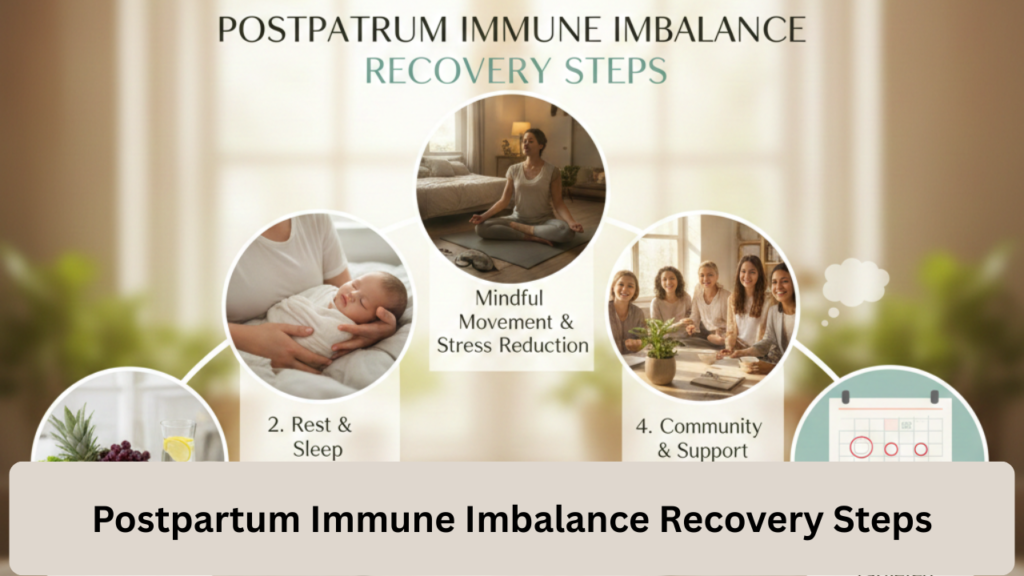
Besides medical treatment, lifestyle alteration is extremely essential in calming an autoimmune flare. Relaxation and sleep to be given priority, as tiredness may worsen the symptoms. Light exercising, such as walking or postpartum yoga, is a good practice that can help decrease inflammation and overall improve your mood without subjecting your body to excessive stress. Mindfulness, meditation, and deep breathing exercises are very beneficial due to the fact that stress may disorganize the immune syste

The importance of nutrition towards maintaining a balance of the immune system is also high. Consumption of foods that have anti-inflammatory properties large amounts, such as fruits, vegetables, omega-3 fatty acids, and whole grains, used to reduce the attack severity. It is also important to avoid excessive sugar, processed food, and fats, which lead to inflammation. There are also some women who might be getting out of some supplements, including vitamin D or probiotics. These, however, are to be discussed with a doctor at all times to ensure they safe when recovering after giving birth.

How are you going to take your immune system to regain its usual state?

It also requires the immune system to recuperate after birth and this is unique to all people. Following childbirth, the body undergoes several complex hormonal and immunological alterations. Autoimmune symptoms can be episodic in the course of this period. Drastic changes in many women can be observed within a few weeks to a few months and sometimes it can take one year before their immune system stabilizes.

The nature of the autoimmune disease, the degree to which it was active in the past, the overall good health of the individual, and the lifestyle that the person leads postpartum influence the speed at which an individual recovers. As soon as women maintain a healthy diet, cope with stress, and adhere to the recommendations of their doctor, their symptoms become more stable. Another important thing to keep in mind is the fact that there are autoimmune diseases that, even with the best management, are not likely to improve and may even deteriorate.

This demonstrates the value of receiving personalized attention and being alert to things. Close monitoring of postpartum symptoms required to interfere early order to intervene. Maintaining a journal of symptoms, recording factors that trigger the moment of flare-up, and reporting to a healthcare practitioner on a regular basis used to ensure that treatment and lifestyle adjustments are promptly taken. Family, friends, or other groups of mothers with autoimmune disorders can also serve as support networks and make you feel better and provide you with useful information.

Being at Peace with Long-Term Immune Health

Learning how the body naturally responds once the baby is born will make you less flustered by the postpartum autoimmune flares. Women can easily manage these flare-ups provided they receive appropriate medical guidance, undertake adjustments in their lifestyles and receive emotional assistance. Being in control of your health, understanding the process of dealing with sickness, and adhering to self-care measures will put your immune system in a stable state in the long run.

Ultimately, postpartum is not only a healing process but also an opportunity to develop habits that will make you remain healthy over an extended period of time. Knowing how pregnancy has an impact on autoimmune diseases and vice versa, mothers will develop resilience and learn to manage the exacerbations, as well as enhance their health and the health of their families.
Managing Autoimmune Flare After Pregnancy

January 11, 2026 Managing Autoimmune Flare After Pregnancy

Managing Autoimmune Flare After Pregnancy. Pregnancy is also a period when the body of a woman undergoes some changes both physically and in regard to her immune system. Immune system also varies considerably in order to accommodate a growing fetus; thus, this may lead to short-term changes in the activity of autoimmune diseases. Several women end up having their autoimmune symptoms improve during pregnancy, which is normally difficult to cope with once the baby is born.

To keep the health of the mother and her well-being in general, one should learn about these changes and develop measures to mitigate flares. The postpartum period is an immunologic transition period in which the autoimmune symptoms can reoccur after childbirth after the immune system returns to its pre-pregnancy configuration. Postpartum flare is a normal occurrence for the majority of women, although the severity of.

The postpartum flare depends on the type of autoimmune disease and past disease activity, as well as other health-related factors. The usual causes are hormonal changes, stress, sleep deprivation, and nutritional deficiencies, and all these usually increased during the postpartum stage. By being aware of such possible triggers, mothers can determine in advance any change and consult the doctor as soon as possible to minimize the flares.

Autoimmune diseases aggravated following pregnancy?

Autoimmune disorders involve the wrongful attack of body tissues by the immune system. Some of the more common ones are rheumatoid arthritis, lupus, multiple sclerosis, and thyroid diseases. There are cases whereby some autoimmune diseases can temporarily improve during pregnancy because the immune system alters and turns to be more tolerant to the fetus.

To illustrate, women with rheumatoid arthritis often develop less joint pain and inflammation throughout the course of pregnancy. However, the immune system begins to revert to its pre-pregnancy state upon the birth of the baby, leading to an eventual re-emergence of the symptoms. It is actually a normal event after delivery, yet its intensity varies with an individual, between types of autoimmune disease, and between types of autoimmune disease, as well as with stress, sleep, and diet, among others.

The moderate symptoms may recur in some women and there are those who may experience big flares rendering them incapable of carrying out their daily activities. The awareness of such a possibility will enable individuals to take the initiative of maintaining their health and visiting physicians promptly.

How to Quash an Autoimmune Flare

It takes both some medical advice and adjustments to your daily routine in order to cope with a flare-up. The next thing you should do is to speak with your doctor. You might also need changes in your medicine, particularly when you are breastfeeding, to ensure your safety as well as that of your infant. Depending on the degree of badness of the flare, the doctors might recommend temporary modifications to the immunosuppressive therapy, corticosteroids, or other specific medications.

Besides medical treatment, lifestyle alteration is extremely essential in calming an autoimmune flare. Relaxation and sleep to be given priority, as tiredness may worsen the symptoms. Light exercising, such as walking or postpartum yoga, is a good practice that can help decrease inflammation and overall improve your mood without subjecting your body to excessive stress. Mindfulness, meditation, and deep breathing exercises are very beneficial due to the fact that stress may disorganize the immune syste

The importance of nutrition towards maintaining a balance of the immune system is also high. Consumption of foods that have anti-inflammatory properties large amounts, such as fruits, vegetables, omega-3 fatty acids, and whole grains, used to reduce the attack severity. It is also important to avoid excessive sugar, processed food, and fats, which lead to inflammation. There are also some women who might be getting out of some supplements, including vitamin D or probiotics. These, however, are to be discussed with a doctor at all times to ensure they safe when recovering after giving birth.

How are you going to take your immune system to regain its usual state?

It also requires the immune system to recuperate after birth and this is unique to all people. Following childbirth, the body undergoes several complex hormonal and immunological alterations. Autoimmune symptoms can be episodic in the course of this period. Drastic changes in many women can be observed within a few weeks to a few months and sometimes it can take one year before their immune system stabilizes.

The nature of the autoimmune disease, the degree to which it was active in the past, the overall good health of the individual, and the lifestyle that the person leads postpartum influence the speed at which an individual recovers. As soon as women maintain a healthy diet, cope with stress, and adhere to the recommendations of their doctor, their symptoms become more stable. Another important thing to keep in mind is the fact that there are autoimmune diseases that, even with the best management, are not likely to improve and may even deteriorate.

This demonstrates the value of receiving personalized attention and being alert to things. Close monitoring of postpartum symptoms required to interfere early order to intervene. Maintaining a journal of symptoms, recording factors that trigger the moment of flare-up, and reporting to a healthcare practitioner on a regular basis used to ensure that treatment and lifestyle adjustments are promptly taken. Family, friends, or other groups of mothers with autoimmune disorders can also serve as support networks and make you feel better and provide you with useful information.

Being at Peace with Long-Term Immune Health

Learning how the body naturally responds once the baby is born will make you less flustered by the postpartum autoimmune flares. Women can easily manage these flare-ups provided they receive appropriate medical guidance, undertake adjustments in their lifestyles and receive emotional assistance. Being in control of your health, understanding the process of dealing with sickness, and adhering to self-care measures will put your immune system in a stable state in the long run.

Ultimately, postpartum is not only a healing process but also an opportunity to develop habits that will make you remain healthy over an extended period of time. Knowing how pregnancy has an impact on autoimmune diseases and vice versa, mothers will develop resilience and learn to manage the exacerbations, as well as enhance their health and the health of their families.
Related posts

Determined woman throws darts at target for concept of business success and achieving set goals

Leave a Comment