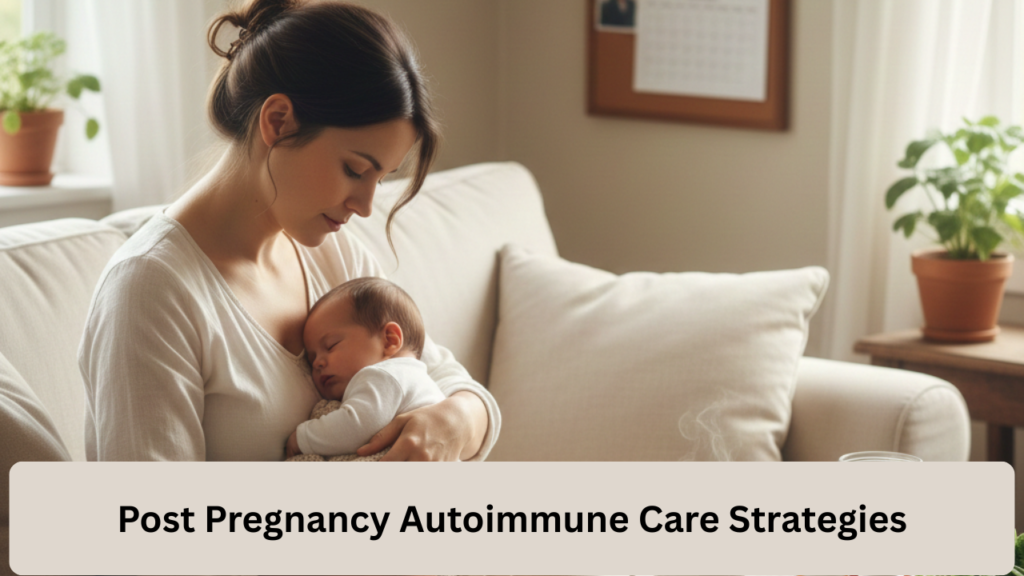
Post Pregnancy Autoimmune Care Strategies. Pregnancy affects the body in various aspects, such as its hormones and immunities, as well as its physical condition. This period can transform the dynamics of the autoimmune disease of the women who have it. It is claimed by many that they feel better when pregnant due to the switched immune system that allows the baby to develop. However, the immune system begins to revert to its pre-pregnancy form when the baby is born, thus resulting in flare-ups.
The consequences of these flares could be minor, such as minor pain, or serious disruptions to normal lives. During the postpartum period, the changes have to known, and good care practices must be used to ensure that the health of a mother is good and that a baby fine during this period. The treatment of autoimmune exacerbations in the postnatal period involves medical control and changes in lifestyle.
The initial one is frequent interaction with healthcare providers because the medication plan might require some temporary adjustments, particularly in mothers that are breastfeeding. Certain treatments might require discontinuation, modification, or substitution with less hazardous drugs to manage the symptoms in the most effective way without putting the infant at risk. Through proper monitoring of the activity of the disease and adherence to professional advice, the severity of flares minimized and complications avoided by mothers.
Are autoimmune diseases worsened following pregnancy?
The system attacks the tissues of the body when it attacks them accidentally and that is what makes it autoimmune. Post Pregnancy Autoimmune Care Strategies. Some of the most common conditions include rheumatoid arthritis, lupus, multiple sclerosis, and thyroid diseases. During pregnancy, the immune response the body altered by the body itself so that it becomes less prone to rejecting the fetus.
This modification typically results in the attenuation of a few autoimmune conditions. Indicatively, most of the women with rheumatoid arthritis report that their joint pains are not as serious or that they experience fewer relapses with multiple sclerosis. However, once the delivery is complete, the immune system undergoes a rebalancing process and this could lead to a flare-up following delivery.
The flares may vary in time and intensity depending on the nature of the autoimmune disease, the activity of the disease in recent years, and the personal factors such as stress levels, sleep patterns, and nutrition. Females can experience a relapse of their symptoms several weeks following birth or even months before relapsing. The awareness of this option enables the mothers to prepare themselves in advance for management practices.
Calming Autoimmune Flares
Your lifestyle modification, combined with medical recommendations, required to control the exacerbation of an autoimmune condition the postpartum period. The initial option is to maintain contact with your healthcare providers on a regular basis. The medications have to adjusted, particularly when dealing with the breastfeeding mothers. In order to manage the degree of flare-ups, physicians might recommend temporary use of specific immunosuppressive drugs, corticosteroids, or other specific treatments.
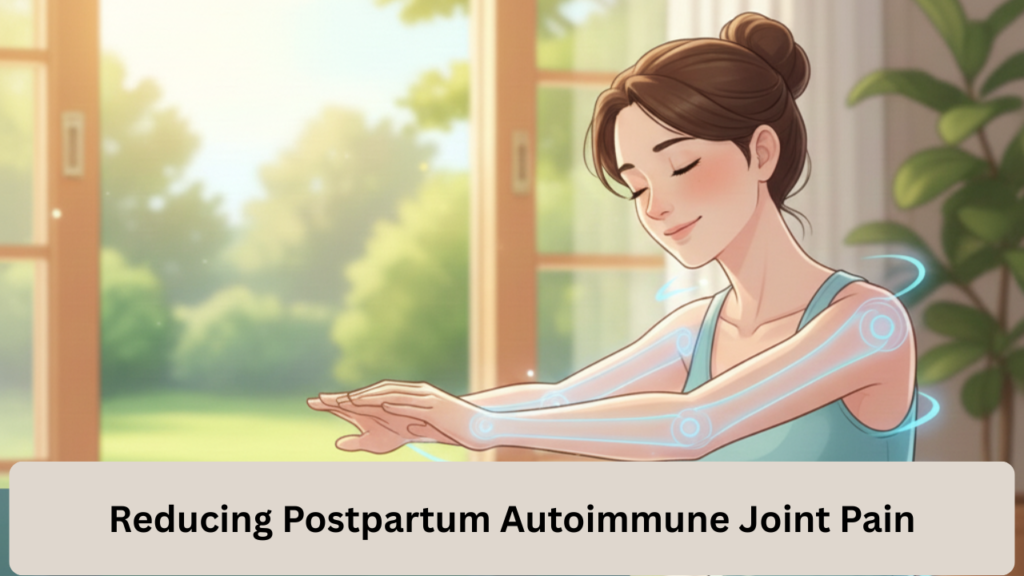
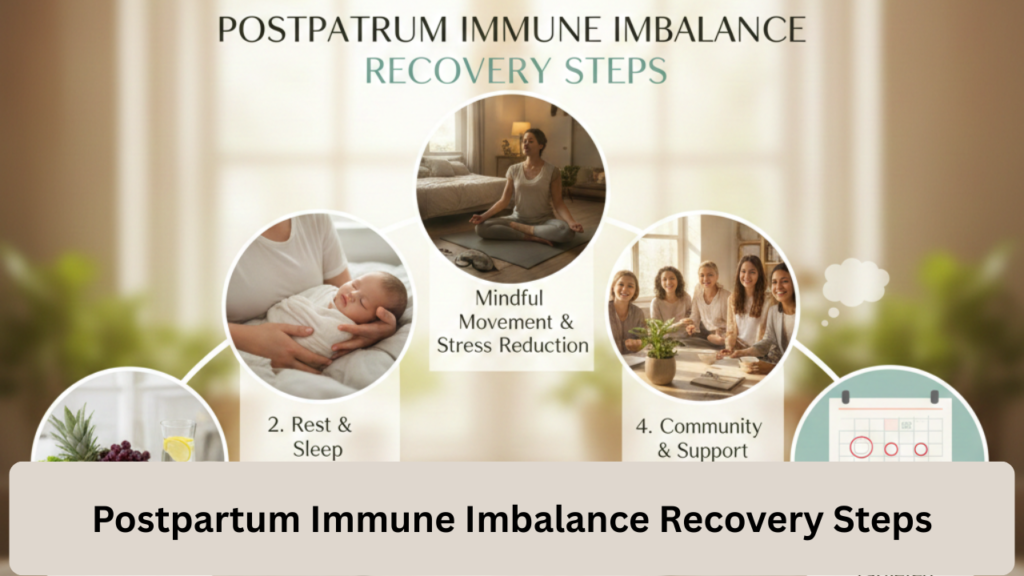
It is highly important to implement lifestyle changes as a way of calming asthma exacerbations in autoimmune diseases. Relaxation and sleep should prioritized since the feeling of tiredness may exacerbate the symptoms. Light exercises like walking, stretching, and yoga in the postpartum phase can all help combat mood, circulation, and inflammation without exerting excessive stress on the body.
Meditation, deep breathing, and mindfulness are stress management techniques that may make your immune system stay in check and overall health become better. Flares also managed through nutrition. Dietary interventions used to regulate the functioning of the immune system by eating anti-inflammatory food such as leafy greens, berries, fatty fish rich omega-3s, and whole grains. It is also important to eliminate processed meals, refined carbohydrates, and bad fats.
Recovery Timeline: Entering the Immune System
The immune system does not immediately revert to its pre-pregnancy state after the birth of a child. It will take time and may take a few weeks to one year to stabilize completely. The nature and the degree of the autoimmune disease, her previous symptom patterns, her lifestyle, and the overall well-being of the mother all contribute to the rate at which she recovers.
Women who do not eat poorly, sleep, regulate stress, and adhere to their medical treatment program are easier to get better and get better gradually. Symptom monitoring during the postpartum period is extremely crucial. Maintaining a symptom diary, determining possible causes of the symptoms, and meeting with medical personnel on a regular basis are all assistive in timely interventions and treatment modifications.
Such a prevention measure can reduce the intensity of the flare-ups and improve your general condition. Both emotional and social support are quite essential. Post Pregnancy Autoimmune Care Strategies. Family, friends, and peer groups can be helpful in terms of comforting you and providing practical assistance and guidance during the periods when you feel more ailing.
Postpartum Resilience Thesis
Postpartum period extraordinary healing process and also a period of getting accustomed. The women with the autoimmune diseases supposed to use this time to concentrate on taking care of themselves, closely monitoring their symptoms, and learning how they can maintain their immune system in the best possible condition. It is possible to cope with postpartum flares in cases when mothers comprehend natural changes in the functionality of the immune system, introduce modifications in medications and lifestyle, and acquire mental power.
You have to make routines that make sleep, healthy eating, light exercises, stress management, and frequent medical care top of your list to promote long-term health. Emotional issues addressed with the support networks and mindfulness practices that enhance confidence and provide people with power. By means of proactive care, women become able to enjoy life after giving birth, curing autoimmune diseases and ensuring that their kids and they themselves are as healthy as possible.