Postpartum Thyroid Autoimmune Management Tips

January 13, 2026

galihjamal04@gmail.com

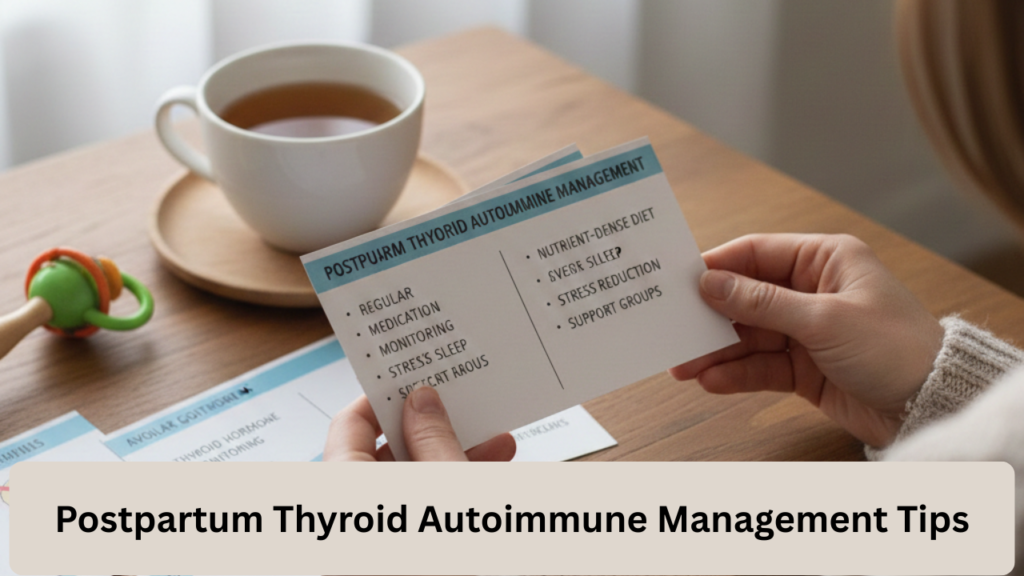
Postpartum Thyroid Autoimmune Management Tips

Postpartum Thyroid Autoimmune Management Tips. A woman experiences many changes in her body and mind, as well as hormones, after giving birth. The thyroid gland, a small, butterfly-shaped organ in the neck, may suffer significantly from one of these changes. This is more so in the case of women having autoimmune problems with thyroid issues. Following delivery, such disorders as Hashimoto thyroiditis or postpartum thyroiditis may become acute.

This may cause such symptoms as fatigue, weight changes, and mood swings. In order to maintain good health of mothers and to ensure that they recover within a short period, one should understand how to treat thyroid autoimmune problems after birth. Close observation of thyroid functioning is the initial step in the treatment of the postpartum thyroid autoimmune issues.

At-risk women are to have regular blood tests to check the levels of thyroid-stimulating hormone (TSH) and thyroid hormone (T3 and T4). Thyroid antibody testing, specifically for thyroid peroxidase (TPO) antibodies, may also be used to reinforce a diagnosis of autoimmune activity. The imbalances detected early and the healthcare providers can recommend timely intervention that can include temporary medications to manage thyroid activities and avoid serious symptoms.

The Effect of Pregnancy on Thyroid Autoimmune Diseases

The immune system during pregnancy adapts to support the developing fetus and in general associated with the autoimmune activity being suspended temporarily. Autoimmune thyroid disorders in women can be associated with some period of relative stability in the course of the pregnancy, which evidenced by the suppression of hypothyroidism or hyperthyroidism symptoms.

However, once it delivers the child, then the immune system begins to function normally once more, which sometimes leads to autoimmune activity suddenly rising. This is what mainly referred to as postpartum thyroiditis and this can cause hyperthyroidism, which is excessive thyroid activity and later on, cause hypothyroidism, which is underactive thyroid in some cases. Women with thyroid problems already, other autoimmune diseases, or a thyroid history in the family are at a high risk of experiencing flares of thyroid problems after delivery.

The symptoms may observed during the first six months following childbirth and may consist of heart-throbbing, anxiety, insomnia, fatigue, weight gain or loss, loss of hair, and sensitivity to temperature changes. Postpartum Thyroid Autoimmune Management Tips. To avoid issues and ensure timely help, these indicators should be tracked as soon as possible.

Monitoring and managing medical problems

The initial part of the treatment of autoimmune thyroid problems that occur following childbirth is regular monitoring. Thyroid testing should performed on at-risk women within the first few months postpartum. These examinations done to determine any imbalance by examining the concentration of thyroid hormones (T3 and T4) and thyroid-stimulating hormone (TSH).

Autoimmune involvement may confirmed by the use of antibody tests, such as thyroid peroxidase (TPO) antibodies. The type and extent of the thyroid imbalance will be the determinant of treatment. The postpartum hyperthyroidism is normally mild and self-limiting. But beta-blockers or other medication sometimes administered to assist symptoms.

Conversely, individuals having hypothyroidism tend to require a thyroid hormone substitution drug that often contains levothyroxine in order to restore their hormone levels to normalcy. The regular medical appointments of the healthcare practitioner are very important to regulate the doses of the medicine and ensure the safety of the treatment, particularly in breastfeeding mothers.

How to make your life a better thyroid

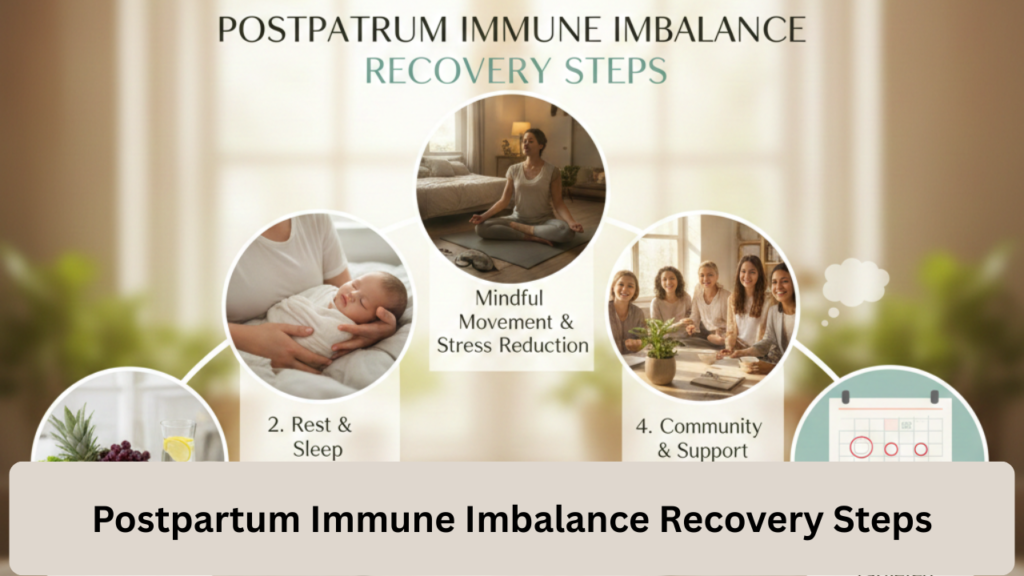
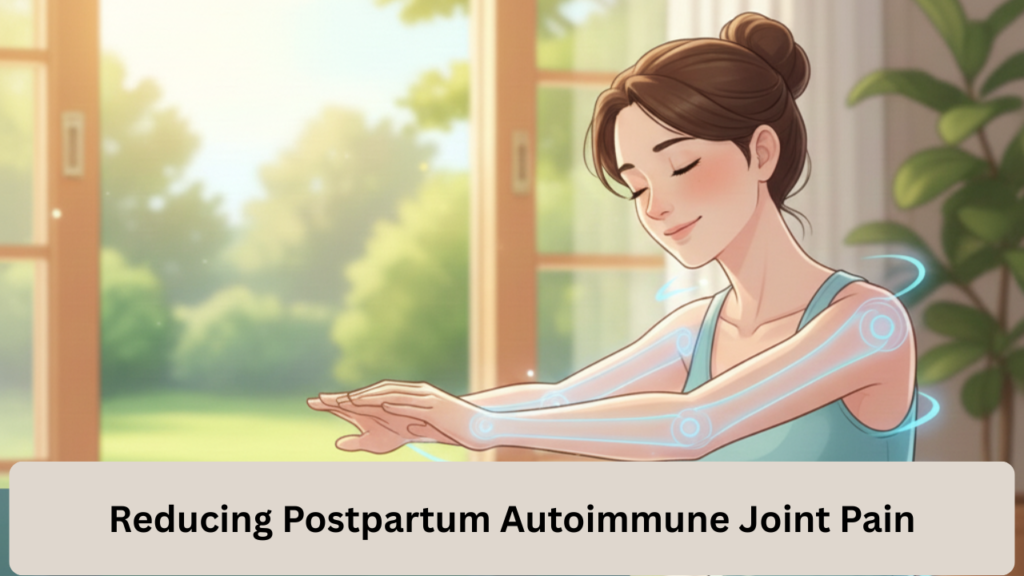
Besides medication, your thyroid and reduction of the intensity of autoimmune flare-ups could improved by lifestyle modifications. Getting sufficient rest is crucial, as fatigue and inadequate sleep can exacerbate thyroid symptoms and immune system performance. Examples of gentle forms of exercise that may help maintain the circulation, reduce stress, and support metabolism are walking, stretching, or postpartum yoga.

Diet also plays a significant role in thyroid management. A high intake of anti-inflammatory foods such as fruits, vegetables, whole grains, low-fat proteins, and healthy fats will reduce inflammation and maintain your immune system at a healthy level. Some of the nutrients that are quite essential to the proper functioning of the thyroid are selenium, iodine, and vitamin D.

Nevertheless, they are only to taken under the supervision of the doctor because excessive iodine may exacerbate autoimmune diseases of the thyroid. You can also help reduce the severity of thyroid exacerbations by avoiding processed food, excessive sugar, and proinflammatory fats. Another valuable aspect of that postpartum thyroid care is stress management. Being very emotional after giving birth, you can worsen the autoimmune activity by stress.

Support in the General Well-Being in the Aftermath of Giving Birth

It is not only that you must ensure that your hormone levels maintained when you experience postpartum thyroid autoimmune problems; it is also about ensuring that the mother healthy in general. Consuming appropriate food, sleep, light physical activity, stress management, and having good social support are all valuable components of improving.

Mothers who become holistic in the way they approach their health tend to be in a better position to cope with their issues once they have given birth, maintain an unchanged thyroid profile, and experience the sense of feeling better, increased energy levels, and health in general.

Finally, the postpartum month gives you an opportunity to embrace healthy lifestyle habits that will be here to stay and will make you less susceptible to autoimmune exacerbations. By using a combination of medicinal care, lifestyle modifications, and emotional support, new moms have a high chance of managing thyroid autoimmune diseases and recovering with ease, as well as ensuring long-term well-being for both themselves and their families.
Postpartum Thyroid Autoimmune Management Tips

January 13, 2026 Postpartum Thyroid Autoimmune Management Tips

Postpartum Thyroid Autoimmune Management Tips. A woman experiences many changes in her body and mind, as well as hormones, after giving birth. The thyroid gland, a small, butterfly-shaped organ in the neck, may suffer significantly from one of these changes. This is more so in the case of women having autoimmune problems with thyroid issues. Following delivery, such disorders as Hashimoto thyroiditis or postpartum thyroiditis may become acute.

This may cause such symptoms as fatigue, weight changes, and mood swings. In order to maintain good health of mothers and to ensure that they recover within a short period, one should understand how to treat thyroid autoimmune problems after birth. Close observation of thyroid functioning is the initial step in the treatment of the postpartum thyroid autoimmune issues.

At-risk women are to have regular blood tests to check the levels of thyroid-stimulating hormone (TSH) and thyroid hormone (T3 and T4). Thyroid antibody testing, specifically for thyroid peroxidase (TPO) antibodies, may also be used to reinforce a diagnosis of autoimmune activity. The imbalances detected early and the healthcare providers can recommend timely intervention that can include temporary medications to manage thyroid activities and avoid serious symptoms.

The Effect of Pregnancy on Thyroid Autoimmune Diseases

The immune system during pregnancy adapts to support the developing fetus and in general associated with the autoimmune activity being suspended temporarily. Autoimmune thyroid disorders in women can be associated with some period of relative stability in the course of the pregnancy, which evidenced by the suppression of hypothyroidism or hyperthyroidism symptoms.

However, once it delivers the child, then the immune system begins to function normally once more, which sometimes leads to autoimmune activity suddenly rising. This is what mainly referred to as postpartum thyroiditis and this can cause hyperthyroidism, which is excessive thyroid activity and later on, cause hypothyroidism, which is underactive thyroid in some cases. Women with thyroid problems already, other autoimmune diseases, or a thyroid history in the family are at a high risk of experiencing flares of thyroid problems after delivery.

The symptoms may observed during the first six months following childbirth and may consist of heart-throbbing, anxiety, insomnia, fatigue, weight gain or loss, loss of hair, and sensitivity to temperature changes. Postpartum Thyroid Autoimmune Management Tips. To avoid issues and ensure timely help, these indicators should be tracked as soon as possible.

Monitoring and managing medical problems

The initial part of the treatment of autoimmune thyroid problems that occur following childbirth is regular monitoring. Thyroid testing should performed on at-risk women within the first few months postpartum. These examinations done to determine any imbalance by examining the concentration of thyroid hormones (T3 and T4) and thyroid-stimulating hormone (TSH).

Autoimmune involvement may confirmed by the use of antibody tests, such as thyroid peroxidase (TPO) antibodies. The type and extent of the thyroid imbalance will be the determinant of treatment. The postpartum hyperthyroidism is normally mild and self-limiting. But beta-blockers or other medication sometimes administered to assist symptoms.

Conversely, individuals having hypothyroidism tend to require a thyroid hormone substitution drug that often contains levothyroxine in order to restore their hormone levels to normalcy. The regular medical appointments of the healthcare practitioner are very important to regulate the doses of the medicine and ensure the safety of the treatment, particularly in breastfeeding mothers.

How to make your life a better thyroid

Besides medication, your thyroid and reduction of the intensity of autoimmune flare-ups could improved by lifestyle modifications. Getting sufficient rest is crucial, as fatigue and inadequate sleep can exacerbate thyroid symptoms and immune system performance. Examples of gentle forms of exercise that may help maintain the circulation, reduce stress, and support metabolism are walking, stretching, or postpartum yoga.

Diet also plays a significant role in thyroid management. A high intake of anti-inflammatory foods such as fruits, vegetables, whole grains, low-fat proteins, and healthy fats will reduce inflammation and maintain your immune system at a healthy level. Some of the nutrients that are quite essential to the proper functioning of the thyroid are selenium, iodine, and vitamin D.

Nevertheless, they are only to taken under the supervision of the doctor because excessive iodine may exacerbate autoimmune diseases of the thyroid. You can also help reduce the severity of thyroid exacerbations by avoiding processed food, excessive sugar, and proinflammatory fats. Another valuable aspect of that postpartum thyroid care is stress management. Being very emotional after giving birth, you can worsen the autoimmune activity by stress.

Support in the General Well-Being in the Aftermath of Giving Birth

It is not only that you must ensure that your hormone levels maintained when you experience postpartum thyroid autoimmune problems; it is also about ensuring that the mother healthy in general. Consuming appropriate food, sleep, light physical activity, stress management, and having good social support are all valuable components of improving.

Mothers who become holistic in the way they approach their health tend to be in a better position to cope with their issues once they have given birth, maintain an unchanged thyroid profile, and experience the sense of feeling better, increased energy levels, and health in general.

Finally, the postpartum month gives you an opportunity to embrace healthy lifestyle habits that will be here to stay and will make you less susceptible to autoimmune exacerbations. By using a combination of medicinal care, lifestyle modifications, and emotional support, new moms have a high chance of managing thyroid autoimmune diseases and recovering with ease, as well as ensuring long-term well-being for both themselves and their families.
Related posts

Determined woman throws darts at target for concept of business success and achieving set goals

Leave a Comment