Understanding Postpartum Autoimmune Symptoms

January 10, 2026

galihjamal04@gmail.com

Understanding Postpartum Autoimmune Symptoms

Understanding Postpartum Autoimmune Symptoms. Postpartum period is an impressive stage in the life of a woman. Following several months of pregnancy, the body embarks on a complicated journey of recovering and adapting to the hormonal changes and the requirements of a newborn baby. Despite the common belief that emotional health and postpartum depression are the primary consequences, the impact on physical health, particularly the immune system, can be severe.

In other women, this season might even cause the development of autoimmune symptoms, which cause confusion, frustration, and concern. It is important that new mothers and other healthcare providers understand how postpartum alterations would influence the immune system. It is an amazing change in the immune system of the body when a woman is pregnant and needs to safeguard both herself and the fetus.

Some parts of the immunity crushed to avoid the rejection of the fetus by the body, whereas others increased to fight infections. A few months after giving birth, the immune system slowly returns to its pre-pregnancy mode—also known as immune rebound. In other women, this resetting may be hyperactive and can result in autoimmune responses. Such illnesses as postpartum thyroiditis, rheumatoid arthritis, or lupus aggravated or even initially manifested during this stage, and this the delicate state of the immune system that must restored.

Is Autoimmune Conditions triggered by Postpartum?

Pregnancy is a special immunological condition. The maternal immune system modifies during gestation to be tolerant to the fetus that is genetically different than the mother. This a fine responsibility: some functions of the immune system suppressed to avoid the rejection of the fetus, whereas others enhanced to safeguard the mother and her child against infections.

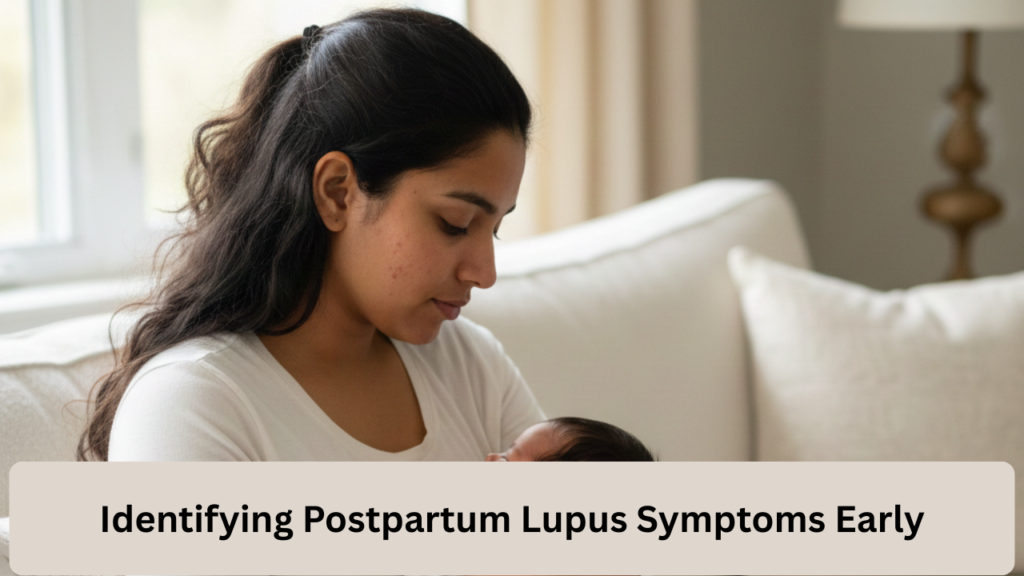
The immune system slowly stabilizes after childbirth, a condition also known as immune rebound, to its pre-pregnancy condition. In certain women this backlash may cause autoimmune responses. This is basically because the immune system can be overreactive or misplaced in the sense that it starts attacking its own body tissues. Diseases like rheumatoid arthritis, thyroid diseases, and lupus have reported to either have a flare-up or even begin to manifest during the postpartum stage.

Although not all women will have postpartum autoimmune problems, researchers indicate that the hormonal changes, stress, and physical stress of bearing the baby may predispose some women. Understanding Postpartum Autoimmune Symptoms. The genetics, family history, and environmental factors are also significant in how one may experience these symptoms.

Why Does My Immune System weaken following a Pregnancy?

It is a common observation by many new mothers that they find it easier to get sick after giving birth and this raises the question, Why is my immune system so low postpartum? A number of reasons make it a temporary weakness. To begin with, pregnancy in itself poses a great burden to the body. During pregnancy and childbirth, nutrient stores, including those of iron, vitamin D, and zinc, depleted, which exposes the immune system to a greater vulnerability to pathogenic infections.

Sleeplessness, which is one of the frequent issues of new parents, also undermines immunity. The chronic fatigue and circadian rhythm interruption decrease the proper production of immune cells in the body. Changes in hormones are also a determining factor. The level of estrogen and progesterone decreases considerably after birth and affects the maintenance of the immunity.

In certain women, this acute change of hormones might result inflammation or some autoimmune-like symptoms, which places the body a more vulnerable position of exposed to infections or autoimmune outbursts. Immunologic impairment may also caused by stress and emotional variations such as postpartum anxiety or depression. The presence of stress hormones like cortisol suppresses the immune system, and this condition, infections or autoimmune symptoms cannot regarded as exceptions.

The post How to Strengthen Your Immune System After Childbirth purports to offer a solution to this question.

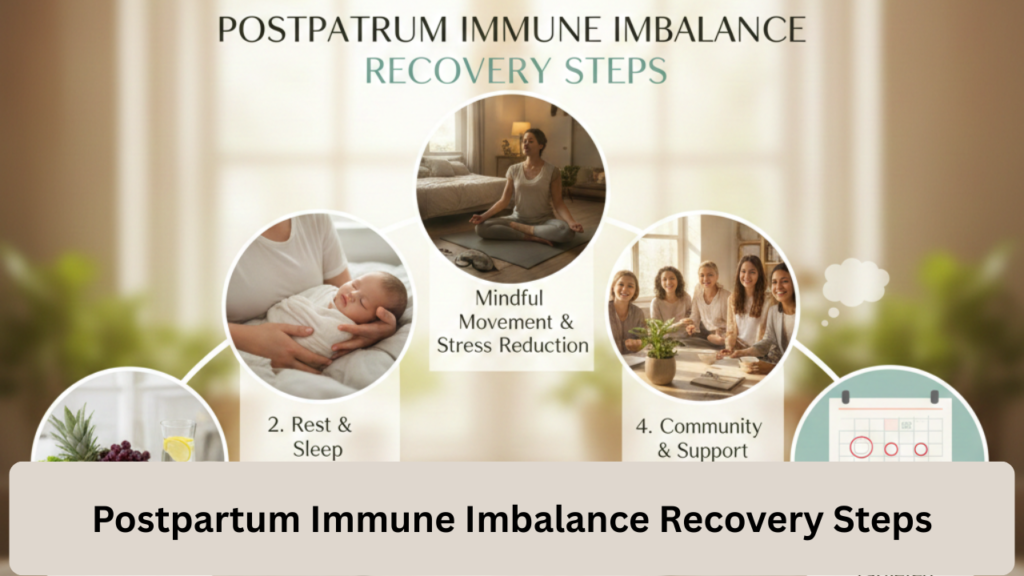
Lifestyle adjustments coupled with nutrition and medical advice all that needed to recover a healthy immune system following pregnancy. The following some of the strategies that could used:

  • Balanced Diet: It is necessary to eat a diet that is high in vitamins, minerals, and antioxidants. Vitamin C, vitamin D, zinc, and omega-3 fatty acids found foods that are good at promoting immunity. Intake of leafy greens, berries, nuts, seeds, fatty fish, and whole grains used to replenish the stores of nutrients lost pregnancy.
  • Adequate Rest and Sleep: Although full nights of continuous sleep might be hard to come by with new parents, a nap whenever feasible and a schedule will do the immune system well. Even the brief instances of restorative rest have quantifiable impacts on immune control.
  • Stress Management: A mindfulness practice, light exercise, and social support can lower the level of stress hormones, which will enable the immune system to operate better. Postpartum yoga, meditation, or deep-breathing exercises would be helpful.
  • Physical Activity: Zippy exercise improves the circulation, hormone balance, and the overall immune condition. Walking, postpartum fitness classes, or light strength training are excellent choices, as long as a healthcare professional approves.
  • Medical Supervision: Postpartum autoimmune flare-ups best detected early by having a medical practitioner check-up regularly. Interventions can be guided by blood tests to check thyroid levels, inflammatory levels, and nutrient levels. In others, the medical treatment can be necessary in order to be able to deal with the autoimmune symptoms.
  • Hydration and Self-Care: Drinking enough water, taking regular breaks, and focusing on well-being strengthens the immune system postpartum.

Being in Control of Your post partum immune health.

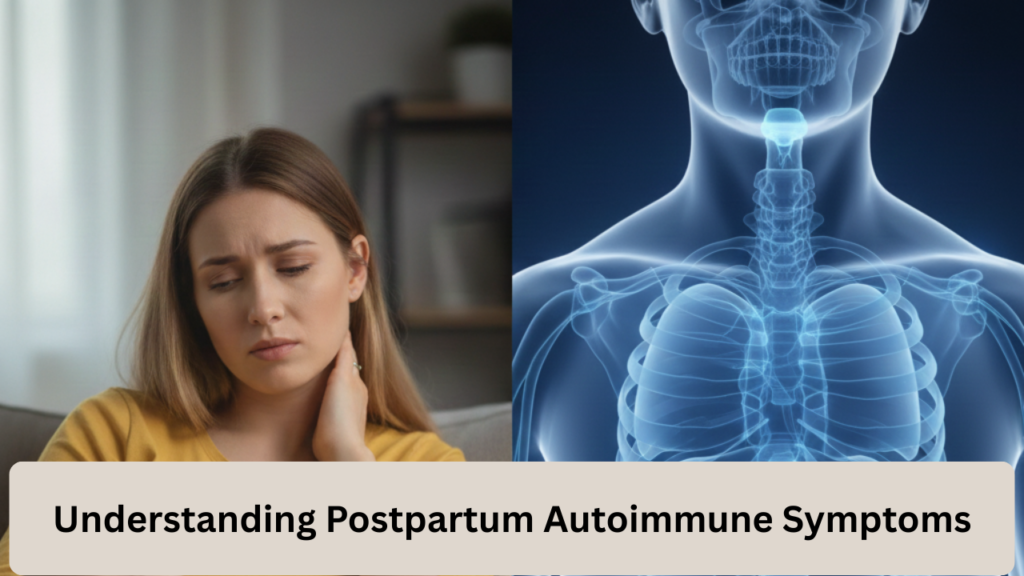
Although the symptoms of postpartum autoimmune may hard, they can be managed with awareness and taking initiative. Understanding Postpartum Autoimmune Symptoms. It is possible to avoid complications by identifying the symptoms at an early stage, such as joint aches, persistent exhaustion, skin rashes, or unexplainable inflammation, and consulting a doctor in time.

Immunoregulation a slow process that needs to be maintained in the postpartum phase. It entails taking care of the body by eating well, taking a rest, exercising, managing stress, and being observant of any new autoimmune symptoms. Knowing about the relationship between postpartum changes and immune functioning, women will be able to feel strong and protect their health, as well as help them recover.

Finally, the postpartum process is an adaptation and resistance process. Although the body has special needs in the given period, making small and regular steps to facilitate the functioning of immune systems can enhance well-being and quality of life. Self-care, professional advice, and paying attention to the body the top strategies that any new mother guided by with the view of having to deal with the intricate means of recovery and immune health.
Understanding Postpartum Autoimmune Symptoms

January 10, 2026 Understanding Postpartum Autoimmune Symptoms

Understanding Postpartum Autoimmune Symptoms. Postpartum period is an impressive stage in the life of a woman. Following several months of pregnancy, the body embarks on a complicated journey of recovering and adapting to the hormonal changes and the requirements of a newborn baby. Despite the common belief that emotional health and postpartum depression are the primary consequences, the impact on physical health, particularly the immune system, can be severe.

In other women, this season might even cause the development of autoimmune symptoms, which cause confusion, frustration, and concern. It is important that new mothers and other healthcare providers understand how postpartum alterations would influence the immune system. It is an amazing change in the immune system of the body when a woman is pregnant and needs to safeguard both herself and the fetus.

Some parts of the immunity crushed to avoid the rejection of the fetus by the body, whereas others increased to fight infections. A few months after giving birth, the immune system slowly returns to its pre-pregnancy mode—also known as immune rebound. In other women, this resetting may be hyperactive and can result in autoimmune responses. Such illnesses as postpartum thyroiditis, rheumatoid arthritis, or lupus aggravated or even initially manifested during this stage, and this the delicate state of the immune system that must restored.

Is Autoimmune Conditions triggered by Postpartum?

Pregnancy is a special immunological condition. The maternal immune system modifies during gestation to be tolerant to the fetus that is genetically different than the mother. This a fine responsibility: some functions of the immune system suppressed to avoid the rejection of the fetus, whereas others enhanced to safeguard the mother and her child against infections.

The immune system slowly stabilizes after childbirth, a condition also known as immune rebound, to its pre-pregnancy condition. In certain women this backlash may cause autoimmune responses. This is basically because the immune system can be overreactive or misplaced in the sense that it starts attacking its own body tissues. Diseases like rheumatoid arthritis, thyroid diseases, and lupus have reported to either have a flare-up or even begin to manifest during the postpartum stage.

Although not all women will have postpartum autoimmune problems, researchers indicate that the hormonal changes, stress, and physical stress of bearing the baby may predispose some women. Understanding Postpartum Autoimmune Symptoms. The genetics, family history, and environmental factors are also significant in how one may experience these symptoms.

Why Does My Immune System weaken following a Pregnancy?

It is a common observation by many new mothers that they find it easier to get sick after giving birth and this raises the question, Why is my immune system so low postpartum? A number of reasons make it a temporary weakness. To begin with, pregnancy in itself poses a great burden to the body. During pregnancy and childbirth, nutrient stores, including those of iron, vitamin D, and zinc, depleted, which exposes the immune system to a greater vulnerability to pathogenic infections.

Sleeplessness, which is one of the frequent issues of new parents, also undermines immunity. The chronic fatigue and circadian rhythm interruption decrease the proper production of immune cells in the body. Changes in hormones are also a determining factor. The level of estrogen and progesterone decreases considerably after birth and affects the maintenance of the immunity.

In certain women, this acute change of hormones might result inflammation or some autoimmune-like symptoms, which places the body a more vulnerable position of exposed to infections or autoimmune outbursts. Immunologic impairment may also caused by stress and emotional variations such as postpartum anxiety or depression. The presence of stress hormones like cortisol suppresses the immune system, and this condition, infections or autoimmune symptoms cannot regarded as exceptions.

The post How to Strengthen Your Immune System After Childbirth purports to offer a solution to this question.

Lifestyle adjustments coupled with nutrition and medical advice all that needed to recover a healthy immune system following pregnancy. The following some of the strategies that could used:

  • Balanced Diet: It is necessary to eat a diet that is high in vitamins, minerals, and antioxidants. Vitamin C, vitamin D, zinc, and omega-3 fatty acids found foods that are good at promoting immunity. Intake of leafy greens, berries, nuts, seeds, fatty fish, and whole grains used to replenish the stores of nutrients lost pregnancy.
  • Adequate Rest and Sleep: Although full nights of continuous sleep might be hard to come by with new parents, a nap whenever feasible and a schedule will do the immune system well. Even the brief instances of restorative rest have quantifiable impacts on immune control.
  • Stress Management: A mindfulness practice, light exercise, and social support can lower the level of stress hormones, which will enable the immune system to operate better. Postpartum yoga, meditation, or deep-breathing exercises would be helpful.
  • Physical Activity: Zippy exercise improves the circulation, hormone balance, and the overall immune condition. Walking, postpartum fitness classes, or light strength training are excellent choices, as long as a healthcare professional approves.
  • Medical Supervision: Postpartum autoimmune flare-ups best detected early by having a medical practitioner check-up regularly. Interventions can be guided by blood tests to check thyroid levels, inflammatory levels, and nutrient levels. In others, the medical treatment can be necessary in order to be able to deal with the autoimmune symptoms.
  • Hydration and Self-Care: Drinking enough water, taking regular breaks, and focusing on well-being strengthens the immune system postpartum.

Being in Control of Your post partum immune health.

Although the symptoms of postpartum autoimmune may hard, they can be managed with awareness and taking initiative. Understanding Postpartum Autoimmune Symptoms. It is possible to avoid complications by identifying the symptoms at an early stage, such as joint aches, persistent exhaustion, skin rashes, or unexplainable inflammation, and consulting a doctor in time.

Immunoregulation a slow process that needs to be maintained in the postpartum phase. It entails taking care of the body by eating well, taking a rest, exercising, managing stress, and being observant of any new autoimmune symptoms. Knowing about the relationship between postpartum changes and immune functioning, women will be able to feel strong and protect their health, as well as help them recover.

Finally, the postpartum process is an adaptation and resistance process. Although the body has special needs in the given period, making small and regular steps to facilitate the functioning of immune systems can enhance well-being and quality of life. Self-care, professional advice, and paying attention to the body the top strategies that any new mother guided by with the view of having to deal with the intricate means of recovery and immune health.
Related posts

Determined woman throws darts at target for concept of business success and achieving set goals

Leave a Comment